
Crested wheatgrass
Agropyron desertorum (Fisch. ex Link) Schult.
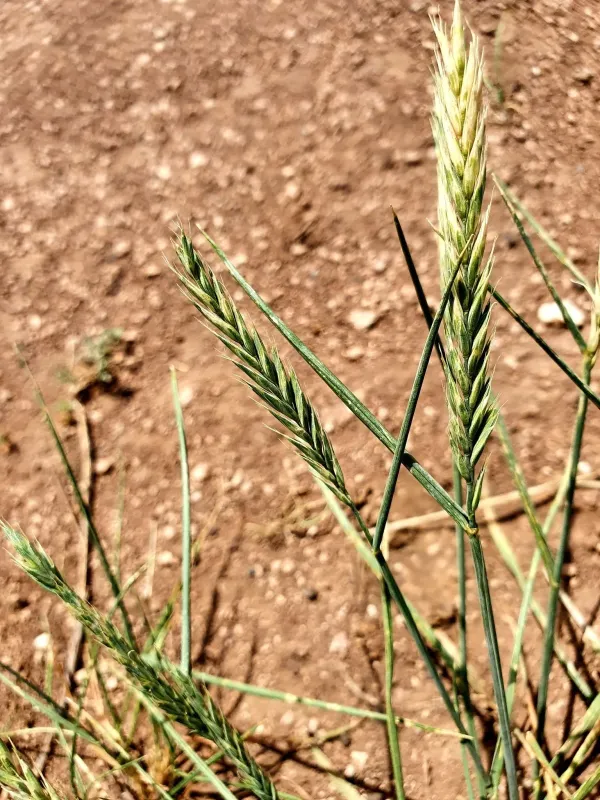
Description
Sowing dates
The optimal time for planting crested wheatgrass is in early spring or late autumn (dormant seeding). This species is known for slow establishment, so maintaining adequate soil moisture during the first few weeks after emergence is crucial for successful stand development.
Seeding rates vary depending on the intended use, whether it is for hay production or permanent pasture. Seed should be placed at a depth of 2 to 4 centimeters to ensure good soil contact and moisture uptake for germination.
Seedbed preparation is vital; the field should be free of weeds, as young seedlings are poor competitors. Pre-seeding compaction using a roller helps create a firm bed, which significantly improves the uniformity of stand establishment.
When used in mixtures, crested wheatgrass establishes well alongside other hardy perennial species. It forms a dense, long-lasting stand that can remain productive for over a decade if managed correctly.
Early-stage monitoring is necessary to ensure the stand is not choked by invasive weeds. While it becomes quite aggressive once mature, the initial growing season requires active management and weed control.
Growing requirements
Crested wheatgrass, belonging to the Poaceae family, is a highly resilient perennial species valued for its exceptional drought tolerance. It is uniquely adapted to semi-arid regions where common forage crops fail to survive.
Its deep, extensive root system allows the plant to tap into deep soil moisture reserves, making it ideal for arid climates. Additionally, the grass is highly cold-hardy, surviving harsh winters with minimal damage to the crown.
It thrives in a wide range of soil types, including chernozems and chestnut soils. It shows moderate tolerance to alkaline conditions and can even establish itself on slightly saline soils, contributing to the reclamation of degraded lands.
Sunlight is a key requirement for this species. It is an obligate sun-lover and should never be planted in shaded areas or under forest cover, as it will lose vigor and eventually disappear from the stand.
Nutrient management is essential for maximizing biomass. Phosphorous and potassium applications boost root health, while nitrogen fertilizer can significantly increase forage yields if moisture levels are adequate during the growing season.
Yield
Forage production of crested wheatgrass depends heavily on precipitation levels and the age of the stand. Under favorable conditions, it can yield between 2 and 3 tons of hay per hectare in a single annual cut.
When utilized for grazing, it is prized for its high nutritional quality during the early growth stages. It serves as an excellent source of protein, helping to extend the grazing season into periods when other grasses are dormant.
Quality drops as the plant matures and enters the seed-head development phase. To maintain peak nutritional value, it is essential to manage the harvest or grazing rotation to prevent the plants from becoming too stemmy and lignified.
Seed production is another viable economic activity for farmers. Specialized seed production fields can produce consistent yields, provided they are managed with appropriate fertilization and weed control measures.
Stands are known for their longevity and can remain productive for 8 to 10 years or more. Periodic light disking can rejuvenate older stands by thinning the grass and encouraging new growth, which helps maintain high yields.
Main diseases and pests
Rust diseases are the most common issue in crested wheatgrass, typically occurring during periods of high humidity and moderate temperatures. Proper timing of hay harvest can help mitigate the spread of these fungi.
Powdery mildew can also affect leaf tissues in thick, poorly ventilated stands. Maintaining appropriate plant density is the primary cultural practice to keep airflow high and minimize the risk of infection.
Insect pests, such as grass bugs or wheat-stem sawflies, can damage the foliage or developing seeds. Integrated pest management practices, including scouting and timely insecticide use, are required if pest populations exceed economic thresholds.
Smut diseases may affect seed heads, reducing the overall seed yield. Using fungicide-treated seeds and maintaining good crop hygiene are standard procedures to reduce the incidence of these pathogens.
Overgrazing is a significant risk that can degrade the stand and increase the pressure from opportunistic weeds. Careful rotational grazing is necessary to maintain the plant's health and competitive advantage.
Harvesting
Harvesting for hay should occur at the late boot or early heading stage, before the development of mature seed heads. This ensures the best balance between dry matter quantity and nutritional quality.
Seed harvesting should be performed when the heads have turned a characteristic straw color. Delaying harvest too long after maturity can lead to significant shattering losses, as the seeds easily detach from the spikelets.
A swathing method, where the crop is cut and allowed to dry in windrows before threshing, is generally preferred for seed production to reduce losses during the combining process.
Post-harvest conditioning includes thorough cleaning to remove chaff and debris, followed by drying to ensure the seeds are at a safe moisture content for long-term storage.
When used as pasture, the crop responds well to rotational grazing. This prevents depletion of root reserves and allows the grass to recover effectively, ensuring sustainable use of the forage resource for many years.