
Phyllonoma
Phyllonoma
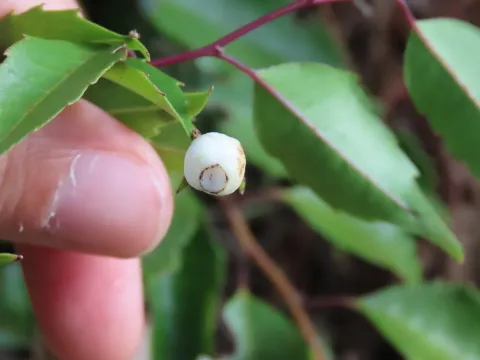
Phyllonoma is a genus of evergreen shrubs and small trees recognized as the primary member of the family Phyllonomaceae. The genus is best known to botanists for the phenomenon of epiphylly, where the inflorescences and subsequent fruit develop directly from the midrib of the leaves.
What the section contains

Phyllonoma
The native range of Phyllonoma is centered in the tropical mountainous regions of the Americas, spanning from Mexico through Central America down to the Andean regions of Bolivia. These plants thrive in the understory of high-altitude cloud forests, which provide the constant mist and moisture they require.
Cultivating Phyllonoma requires a controlled environment that mimics its natural high-altitude tropical habitat. They demand high atmospheric humidity, stable cool-to-warm temperatures, and well-drained, nutrient-dense acidic soils to maintain healthy vegetative and reproductive growth.
In terms of agricultural practice, this genus is not considered a commercial crop. Its use is almost exclusively confined to specialized botanical collections and conservatory settings where the unique leaf-flowering habit can be observed and studied in detail under optimized microclimatic conditions.
Propagation is typically achieved through seeds, which require specific stratification and moisture levels to germinate. Due to the lack of widespread commercial utility, research into their pathology is limited; however, like most tropical shrubs, they may be susceptible to generalist fungi if kept in conditions with poor air circulation.