
Phyllonoma ruscifolia
Phyllonoma ruscifolia
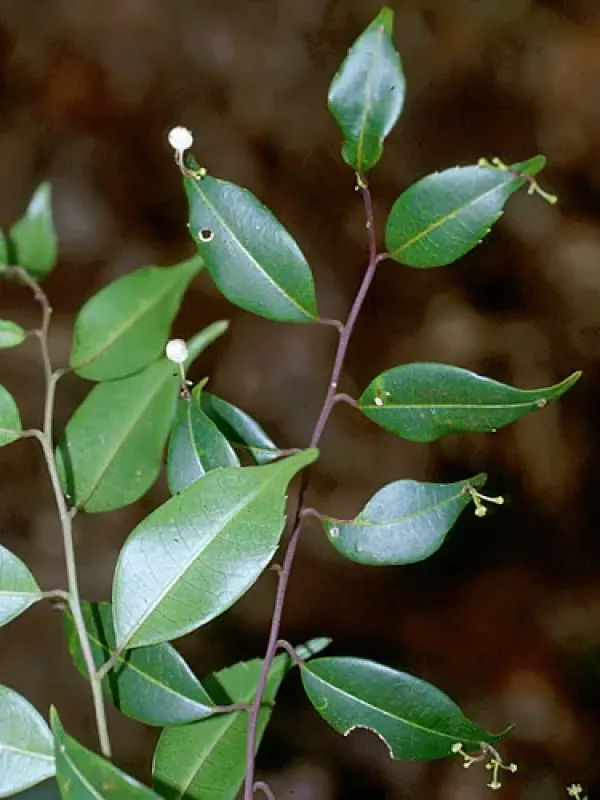
Description
Growing requirements
Phyllonoma ruscifolia is a distinctive plant species belonging to the Phyllonomaceae family. Native to the humid mountain forests of Central and South America, this plant is well-adapted to the cool, mist-covered environments characteristic of high-altitude tropical regions.
The most notable botanical feature of this species is epiphyllous flowering, where the flowers and fruit arise directly from the leaf surfaces. This evolutionary adaptation serves as a primary point of interest for botanists and rare plant collectors who value its unusual reproductive strategy.
Requirements for cultivation include a strictly controlled climate that mimics its natural montane habitat. High atmospheric humidity and consistent, moderate temperatures are essential, as the plant does not tolerate extreme heat or desiccating conditions, which can lead to rapid decline in health.
The ideal growing medium must be highly porous and well-draining, mimicking rich forest litter. A mix composed of organic components such as leaf mold, perlite, and bark is recommended to provide adequate aeration to the roots, while preventing the waterlogging that is detrimental to this species.
In terms of economic and practical use, Phyllonoma ruscifolia is primarily utilized in botanical gardens and specialized horticultural collections. Given its demanding environmental needs, it is not grown as a commercial agricultural crop but remains a highly valued specimen for research and plant conservation efforts.
Main diseases and pests
The primary threats to the plant in cultivation are fungal infections triggered by stagnant water and poor air circulation. Root rot is a significant concern, requiring a careful balance between moisture retention and drainage to ensure the longevity of the plant in a closed-growth environment.
Pests such as spider mites and scale insects are known to infest the plant, often congregating around the epiphyllous structures. Due to the delicate nature of the leaf-borne flowers and fruits, pest management must be approached with caution, prioritizing manual removal or soft biological control agents.