
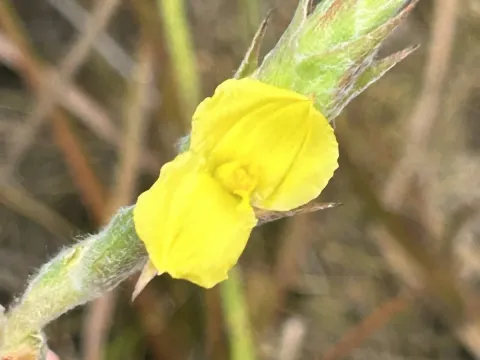
Philydrum
Philydrum
Philydrum is a monotypic genus belonging to the family Philydraceae. In their natural habitat, these plants primarily propagate through seeds, which fall into shallow water or mud, where they remain dormant until conditions are favorable for germination.
What the section contains

Philydrum
When cultivated in an agricultural or botanical setting, sowing is performed in specialized containers filled with a water-saturated substrate. Due to their minute size, seeds should be sown on the surface and pressed gently rather than buried deep within the soil.
The optimal time for sowing is during the spring months, as increasing day length promotes germination. Temperature control is crucial during this stage, with a steady range between 20 and 25 degrees Celsius being ideal for rapid seedling development.
Maintaining a constant water level in the tray is an absolute requirement for successful germination. The plant is extremely sensitive to desiccation, and even a short period of drying out can lead to the immediate death of the fragile seedlings.
Transplanting the young plants to their permanent location should occur once they reach the 3–4 leaf stage. Care must be taken to minimize root disturbance, as the root system is sensitive and essential for the plant's subsequent nutrient uptake.
Philydrum is a typical hydrophyte that requires constant access to water. In the wild, it is found in marshy areas, along riverbanks, and in temporary water bodies across Australia and Southeast Asia, where it thrives in consistently moist conditions.
High light intensity is essential for the healthy growth and blooming of this species. In controlled environments, providing direct sunlight or high-intensity LED grow lights for at least 6–8 hours daily is necessary to prevent etiolation.
The growing medium should consist of a blend of peat, sand, and organic silt to mimic natural bog soils. This mixture must be acidic to neutral and remain perpetually waterlogged to ensure the root system is adequately supported.
As a tropical plant, Philydrum cannot tolerate temperatures below freezing. In temperate climates, it must be grown in greenhouses or indoor water features where temperatures remain consistently warm throughout the year.
Water quality is a significant factor in cultivation. The use of hard water should be avoided to prevent salt accumulation in the substrate, which can lead to chemical stress and inhibit the plant's ability to absorb vital minerals.
Root rot caused by fungal pathogens is the most significant threat to Philydrum. This often occurs when water becomes stagnant and lacks oxygen, creating a perfect environment for anaerobic bacteria and fungi to attack the root system.
Spider mites can become a nuisance if the surrounding air humidity drops too low. These pests colonize the leaves, causing discoloration and eventual decline; maintaining high humidity is the most effective preventative measure against such infestations.
Aphids may target the tender flower spikes of the plant, extracting sap and weakening the reproductive potential. Integrated pest management using biological controls is recommended to avoid chemical contamination of the aquatic environment.
Nutrient deficiencies, particularly iron-induced chlorosis, are common when the substrate pH is not properly managed. This physiological condition results in yellowing leaves and reduced growth rate, requiring adjustment of the nutrient solution.
Competition from aggressive aquatic weeds poses a constant challenge. Because Philydrum is a relatively slow grower, frequent monitoring and manual weeding are required to ensure the plant receives sufficient space and light to flourish.