
Philydrum lanuginosum
Philydrum lanuginosum
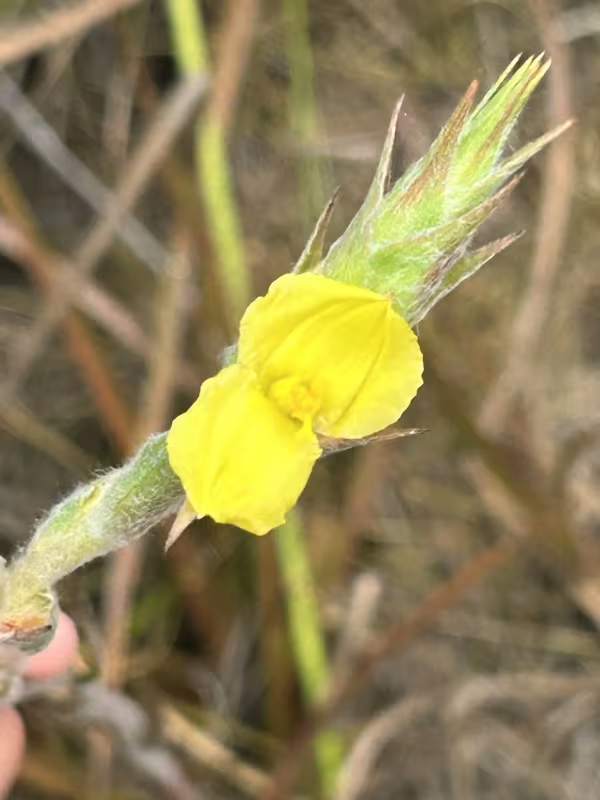
Description
Sowing dates
Propagation of Philydrum lanuginosum is primarily achieved through seeds or by dividing the rhizomes during the dormancy period of the plant.
Seeds should be sown in a wet, nutrient-rich substrate, maintaining consistently high temperatures to ensure high germination rates.
Light is essential for successful germination, so seeds should be placed on the surface of the soil and not buried deep within the substrate.
Vegetative propagation involves sectioning the rhizomes, ensuring each piece has a healthy root system to support further vegetative development.
Young plants should be carefully acclimated to the outdoor environment to prevent transplant shock, especially if transferred from controlled indoor conditions.
Growing requirements
Philydrum lanuginosum is a member of the Philydraceae family, a group of plants adapted to life in marshy habitats and shallow water environments.
The plant thrives in full sun but can tolerate partial shade, provided that the soil or aquatic substrate remains constantly saturated.
Soil quality must be rich in organic matter to provide the necessary nutrients for its rapid growth during the main vegetation phase.
It is sensitive to cold, making it suitable for tropical or subtropical climates; it will not survive frost or freezing temperatures.
The native distribution covers Australia and parts of Southeast Asia, where it grows along riverbanks and in ephemeral wetlands.
Main diseases and pests
Fungal infections pose the primary risk, especially in stagnant water systems where humidity is high and aeration is limited.
Snails and other gastropods are common pests that feed on the soft tissue of the leaves, which can severely impact the plant's overall health.
Excessive competition from invasive aquatic algae can limit nutrient uptake, requiring active management of the water quality in the growing area.
Root rot can occur if the substrate becomes anaerobic for extended periods, stressing the plant and making it susceptible to secondary infections.
Integrated pest management should focus on maintaining water flow and inspecting foliage regularly to catch potential infestations before they spread.
Harvesting
Seed harvesting is conducted when the capsules turn brown but before they release their seeds naturally into the water or wind.
For ornamental purposes, removing spent flower spikes is a standard procedure to encourage the plant to put energy back into its vegetative growth.
Rhizome harvest for expansion or storage is performed at the end of the growing season when the foliage begins to show signs of senescence.
Collected rhizomes must be cleaned of sediment and kept in a cool, moist environment to ensure they remain viable until the next planting cycle.
Proper timing of harvest prevents the depletion of the plant's resources and ensures healthy stock for the following year.