
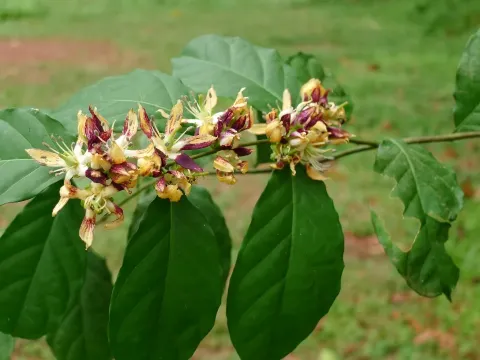
Pentadiplandra
Pentadiplandra
Pentadiplandra (Pentadiplandra brazzeana) is a perennial climbing shrub belonging to the monotypic family Pentadiplandraceae. It is native to the tropical forests of Central and Western Africa.
What the section contains

Pentadiplandra
The plant thrives in equatorial climates, characterized by consistently high temperatures and significant humidity levels throughout the annual cycle.
Botanically, Pentadiplandra is known for its large, tuberous roots that store water and nutrients, enabling the plant to withstand periods of environmental stress.
Optimal growth requires well-drained, nutrient-dense, and humus-rich soil, which must remain moist but never waterlogged to ensure healthy root development.
In managed cultivation settings, it is essential to replicate the partial shade conditions of the forest floor, protecting the plant from intense direct sunlight during its early growth stages.
The primary agricultural interest in this species lies in its fruits, which contain brazzein, a highly sweet protein that serves as a potential natural sugar substitute.
Yield efficiency is contingent upon environmental factors, such as soil fertility and balanced water availability, which directly impact the fruit-setting process.
Industrial applications focus on the extraction of brazzein for use in the food and beverage industry, providing a calorie-free sweetness for various dietary products.
The harvest phase requires careful monitoring to ensure that fruits reach full maturity, as this is critical for the concentration of sweetening agents within the fruit tissue.
Ongoing agricultural research aims to select high-yielding genotypes and improve plantation practices to make Pentadiplandra a viable commercial commodity.
Root rot, often caused by fungal pathogens in overly saturated soil, remains the most significant threat to the health and survival of Pentadiplandra plantations.
Pest pressure from local tropical insect species can cause significant defoliation, requiring proactive monitoring and Integrated Pest Management (IPM) strategies.
Fungal infections tend to proliferate in conditions of high humidity and poor air circulation, necessitating wide planting distances to promote canopy ventilation.
Early-stage growth is particularly susceptible to weed infestation, which can outcompete the young vines for nutrients and light if not properly controlled.
Maintaining high sanitary standards in the nursery and plantation is essential to prevent the establishment of common soil-borne pathogens and invasive pests.