
Pentadiplandra
Pentadiplandra brazzeana
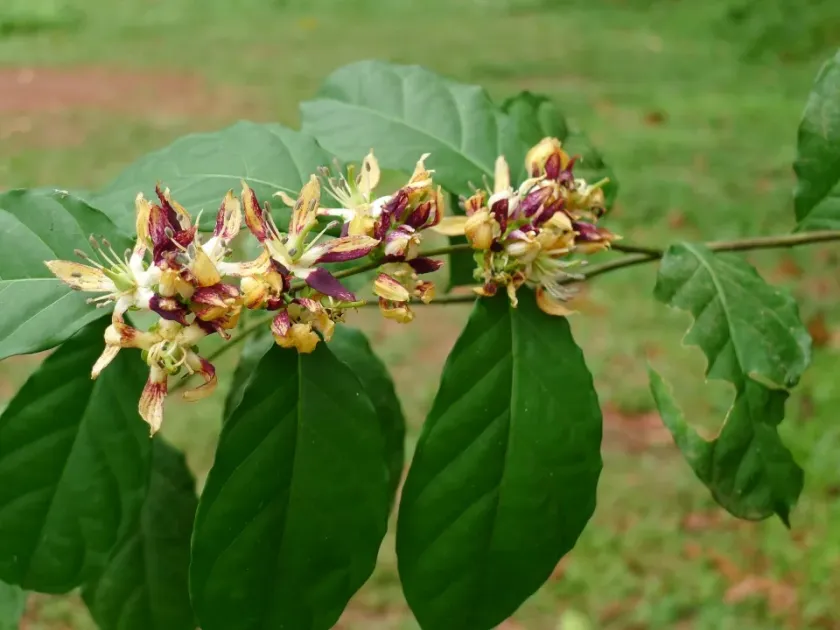
Description
Sowing dates
Pentadiplandra (Pentadiplandra brazzeana) is a unique perennial shrub belonging to the Pentadiplandraceae family, naturally found in the equatorial regions of Central and West Africa.
Propagation is generally achieved through seeds that require moist conditions and a specific stratification period to ensure a high germination rate in nursery environments.
Young seedlings develop rapidly if provided with a nutrient-rich, airy substrate, reflecting the plant's adaptation to the forest floor conditions of its native tropical habitats.
Successful planting requires careful attention to the root system, as the plant develops substantial tuberous roots that are essential for long-term survival and vigor.
As the plant exhibits climbing characteristics, providing adequate support structures early in the growth cycle is crucial for healthy canopy development and light exposure.
Growing requirements
The plant thrives in humid tropical climates, requiring consistent temperatures and protection from extreme temperature fluctuations to maintain physiological stability.
Soil requirements include high organic matter content and excellent drainage, as the plant is highly susceptible to root rot if water stagnation occurs in the root zone.
Although adaptable to varying light intensities, it performs best under dappled sunlight, which mimics the natural light conditions of the African rainforest understory.
Maintaining soil pH in the neutral to slightly acidic range is optimal for nutrient uptake and overall development of the complex chemical compounds in its tissues.
Regular mulching is recommended to preserve soil moisture and temperature stability, protecting the delicate root network from thermal stress during dry spells.
Yield
The economic potential of Pentadiplandra is anchored in its fruit, which contains brazzein, an intensely sweet protein that acts as a natural, low-calorie sugar substitute.
Yields are determined by the age and density of the plantation, with mature shrubs providing consistent harvests of red, berry-like fruits over an extended season.
Beyond the fruit, the tuberous roots represent a significant biomass component that is studied for its saponin content, offering additional utility in pharmaceutical applications.
Increasing the yield requires precise management of the growth cycle, including appropriate spacing to avoid competition for resources between mature shrubs.
As market demand for clean-label sweeteners grows, the cultivation of this species presents a sustainable opportunity for specialized tropical agricultural enterprises.
Main diseases and pests
Fungal pathogens represent the most significant threat to plantation health, especially in high-humidity environments where leaf spot and stem rot can rapidly develop.
Common tropical pests, such as scale insects and spider mites, can severely impact plant vigor by feeding on the sap, thus requiring diligent monitoring and integrated pest management.
Root system damage from nematodes or excessive soil moisture leading to rot remains the primary cause of plant mortality in intensive cultivation setups.
Prevention of these threats relies on adequate spacing to promote airflow and strict adherence to moisture management protocols to keep the foliage and roots healthy.
Prompt identification and removal of infected plant matter are essential to prevent the spread of localized outbreaks within the plantation area.
Harvesting
Harvesting is performed manually, targeting only the fruits that have reached full maturity, marked by a deep red color indicating peak brazzein concentrations.
Care must be taken during harvest to avoid bruising, as the fruit tissue is delicate and sensitive to the physical stresses involved in large-scale collection.
Post-harvest handling is critical; fruits must be processed or stabilized immediately to prevent enzymatic breakdown of the high-value sweet proteins present in the pulp.
Tubers are harvested when the plant reaches a certain age or when specific phytochemical extraction requirements dictate, requiring thorough cleaning and drying procedures.
Efficient logistics chains are established to connect remote harvest sites with processing facilities, ensuring that the biochemical integrity of the raw material is maintained.