
Celandine poppy
Stylophorum diphyllum
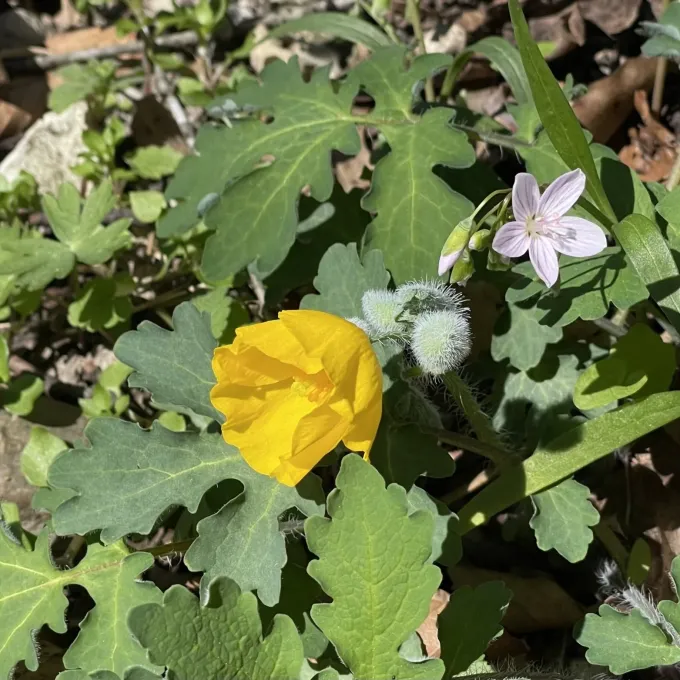
Description
Sowing dates
Sowing Celandine poppy seeds is most successful when done in late autumn, allowing the natural winter cold to break seed dormancy.
For spring sowing, seeds must undergo a stratification process by being stored in a moist medium in the refrigerator for at least 60 days.
Seeds should be pressed gently into the surface of a light seed-starting mix, as they require light to germinate and should not be covered deeply.
Maintaining consistent moisture is essential during the germination process, which typically occurs when temperatures reach about 18–20 degrees Celsius.
Transplanting seedlings should be handled with care to avoid root disturbance once the plants develop their first few sets of true leaves.
Growing requirements
Stylophorum diphyllum belongs to the Papaveraceae family and is a native woodland perennial prized for its bright yellow flowers in early spring.
This plant thrives in deep to partial shade, mimicking its natural habitat on the forest floor where it is protected from intense sunlight.
The soil should be rich in organic matter, loose, and capable of retaining moisture without becoming waterlogged or heavy with clay.
Consistent irrigation is required throughout the growing season, as the plant does not tolerate drought and will wilt quickly in dry conditions.
As a woodland plant, it performs best in soil with a neutral to slightly acidic pH and appreciates a yearly top-dressing of compost or leaf mold.
Main diseases and pests
Celandine poppy is generally resistant to most pests and diseases, making it a reliable and low-maintenance choice for woodland gardens.
Root rot is the most common issue, usually resulting from poor soil drainage or planting in areas prone to standing water after rain.
Slugs and snails can occasionally graze on the succulent foliage during damp spring weather, requiring vigilance to protect young shoots.
While the plant is quite hardy, powdery mildew can occur if air circulation is poor, particularly in dense plantings or very humid environments.
Regular sanitation, including the removal of dead foliage at the end of the season, helps minimize the overwintering of potential pathogens.