
Cinnamon fern
Osmunda cinnamomea
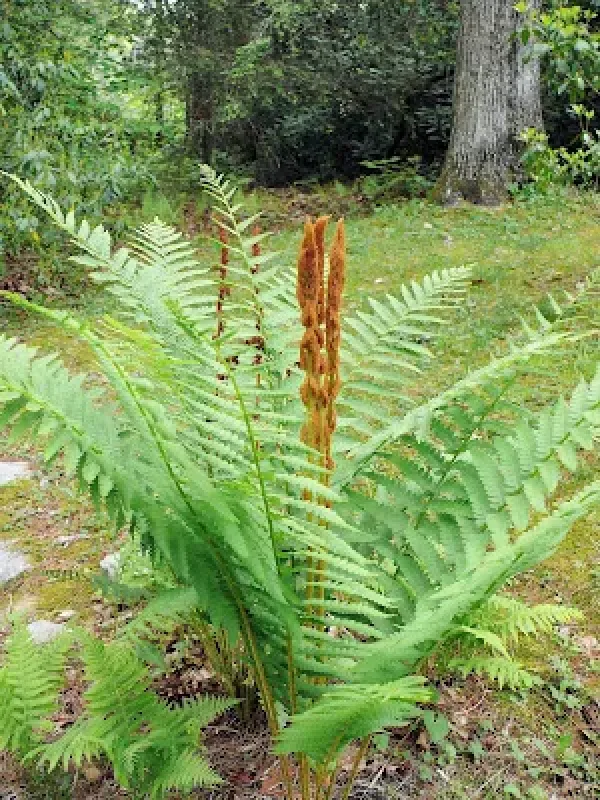
Description
Sowing dates
Propagation of the cinnamon fern is most effectively achieved through division of the rhizomes in early spring, just before the new fronds begin to unfurl.
While spore propagation is possible, it is technically demanding; spores must be harvested at peak maturity and sown immediately, as they lose viability very quickly.
A specialized sterile medium, such as milled peat moss mixed with perlite, is essential for spore germination to prevent competitive mold growth.
Maintaining a consistent temperature between 20°C and 22°C and high humidity is crucial during the early stages of the prothallus development.
Young plants should be kept in a sheltered nursery environment with indirect light for at least one full growing season before being moved to permanent garden locations.
Growing requirements
The cinnamon fern, belonging to the Osmundaceae family, is a large, hardy perennial fern native to swamps, moist woods, and streambanks throughout North and South America and East Asia.
This species thrives in consistently moist, acidic, and humus-rich soils, making it an excellent candidate for the edges of ponds or boggy garden areas.
It requires a site with partial shade to full shade; in regions with high heat, afternoon shade is mandatory to prevent the sensitive fronds from scorching.
Adequate soil aeration is important, even though the plant prefers moisture; heavy clay soils should be amended with organic compost to ensure healthy root expansion.
In terms of winter care, the cinnamon fern is exceptionally cold-hardy, with its deciduous fronds dying back after the first hard frost, requiring little more than a layer of mulch for protection.
Yield
The primary economic and aesthetic value of Osmunda cinnamomea lies in its use as a premium ornamental plant for large-scale landscaping and wetland restoration projects.
In certain culinary traditions, specifically within Asian cuisines, the young, coiled fronds known as fiddleheads are harvested and consumed after careful preparation.
The fibrous, mat-like root system of the cinnamon fern is a recognized source of "osmundine," a traditional medium used by hobbyists for growing various orchids and epiphytes.
While not a commercial crop in the traditional sense, established clusters can provide a sustainable yield of division offsets for local nurseries.
Long-term vigor is sustained by ensuring that the plant receives consistent moisture during the growing season, which encourages the development of large, lush fronds each year.
Main diseases and pests
The cinnamon fern is generally considered a low-maintenance plant with few major susceptibility issues when grown in its ideal ecological niche.
Slugs and snails are the most frequent pests, particularly during the spring when the succulent fiddleheads are emerging, necessitating proactive management in home gardens.
Root rot can occur if the plant is subjected to poor drainage conditions or stagnant water in soils lacking sufficient oxygen, leading to foliage yellowing.
Leaf nematodes may occasionally infest the fronds, appearing as necrotic streaks along the pinnae; removal and disposal of infected fronds are recommended.
- Monitoring for gastropod activity in early spring.
- Ensuring proper soil structure to prevent anaerobic conditions.
- Sanitation practices by removing dead fronds at the end of the season.