
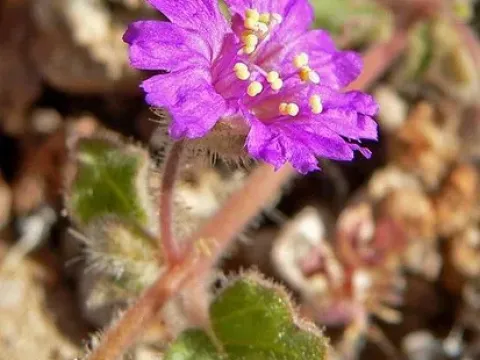
Allionia
Allionia
Seeds of Allionia should be sown in the spring once the soil has reached consistently warm temperatures. In temperate climates, sowing directly into the ground is best performed only after the threat of night frost has completely passed.
What the section contains

Allionia
Soaking the seeds in warm water for several hours prior to planting is highly recommended. This practice softens the seed coat, facilitating faster germination, which is a common necessity for species adapted to arid environments.
For nursery or indoor starting, sowing typically begins in late winter. This method ensures that the seedlings are sufficiently developed and hardened off before being transplanted into their permanent outdoor locations.
Sowing depth should be kept to a minimum as the seeds require sufficient light to germinate effectively. A thin dusting of light soil or sand over the seeds is ideal for maintaining the necessary balance of humidity and light.
Spacing is essential for healthy development. Planting seeds or seedlings at intervals of 30 to 40 centimeters helps prevent overcrowding, which is a major factor in reducing the risks of humidity-related plant diseases.
Allionia is a genus belonging to the Nyctaginaceae family, native to the arid and semi-arid regions of the Americas. These plants are biologically adapted to thrive in harsh environments characterized by intense sunlight and limited water availability.
The ideal growing medium for this plant consists of well-drained, sandy, or rocky soil. Because the root system is sensitive to waterlogging, providing excellent drainage is the most critical factor for ensuring long-term plant health.
The species is highly xerophytic and thrives in full sun exposure. Any degree of shade will likely lead to reduced vigor, sparse flowering, and structural weakness in the stems, so choosing an open, sunny location is vital.
While the plant is drought-tolerant, supplemental watering during the peak growing season helps maintain its aesthetic appeal. Watering should be thorough but infrequent, allowing the soil to dry out completely between applications.
The optimal temperature range for the growth of Allionia is between +20 and +30 degrees Celsius. The plants prefer stable, warm conditions and may experience stress or developmental delays if exposed to prolonged cold or chilling winds.
Root rot is the primary threat to Allionia, typically caused by overwatering or soil that retains too much moisture. Maintaining a strict irrigation schedule is the most effective preventative measure against this condition.
Spider mites are common pests that thrive in the hot, dry conditions preferred by the plant. Regular monitoring of the foliage is necessary to detect infestations early before significant damage occurs to the leaves.
Aphids can occasionally target the succulent tissues of the new growth. Targeted insecticidal soap treatments or biological controls are often sufficient to manage these populations without damaging the plant's delicate tissues.
Powdery mildew may occur if air circulation is inadequate. Ensuring that the plants are spaced correctly and positioned in areas with good airflow helps reduce the risk of fungal infections occurring on the leaves and stems.
General plant hygiene, including the prompt removal of any dead or decaying matter, prevents the accumulation of pathogens. Healthy, robust plants are generally resistant to most common pests and diseases when properly managed.