
Boerhavia repens
Boerhavia repens
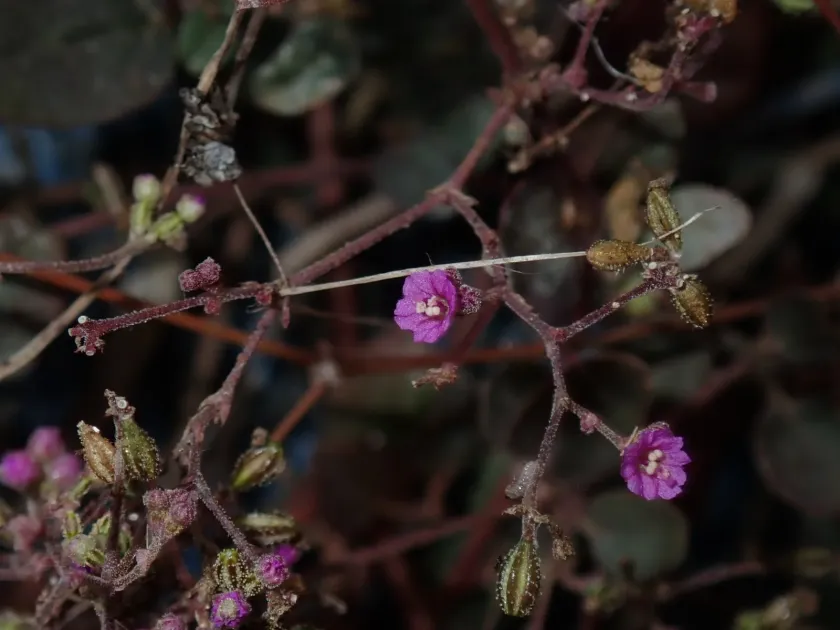
Description
Sowing dates
Boerhavia repens seeds should be sown in spring when soil temperatures reach 20-25 degrees Celsius, as this range ensures optimal germination energy.
In field conditions, row planting with 30-40 centimeter spacing is recommended to provide sufficient room for the trailing stems to spread effectively.
Seed depth should not exceed 1-2 centimeters, as shallow placement is essential to allow light to penetrate and trigger the germination process.
Soaking the seeds in warm water for several hours prior to planting helps to soften the hard seed coat and improves overall uniformity of emergence.
In tropical climates, the onset of the rainy season is the ideal window for sowing, allowing the crop to establish a robust root system before the dry spell.
Growing requirements
Boerhavia repens is a member of the Nyctaginaceae family and functions as a creeping perennial herb with a deep and hardy taproot system.
This crop performs best in well-drained sandy or sandy-loam soils, as waterlogging is detrimental to the plant and can cause rapid root degradation.
Abundant sunlight is a primary requirement for the plant; it thrives in open areas where it can maximize photosynthetic efficiency and increase active component concentration.
The species is noted for its drought tolerance, yet providing consistent moisture during the peak vegetative phase leads to significant increases in biomass yield.
Temperature management is key for commercial cultivation, with an optimal range between 22 and 30 degrees Celsius for sustained growth and development.
Yield
Agricultural utilization of Boerhavia repens is centered on the production of medicinal raw materials, including both the leafy canopy and the taproots.
Biomass production depends heavily on soil fertility; multiple harvests per season are possible if the plant is pruned correctly and provided with adequate nutrients.
Root harvest is typically planned for the second year of growth to ensure the accumulation of alkaloids and flavonoids at their highest levels.
Harvesting should only occur during dry weather conditions to minimize the risk of fungal contamination and to optimize the primary drying phase.
Using compost and organic amendments improves soil texture and nutrient availability, which are essential factors for high-yielding commercial production.
Main diseases and pests
Excessive humidity often triggers root rot diseases caused by Pythium or Rhizoctonia species, which can wipe out portions of the crop if drainage is poor.
Practicing strict crop rotation and maintaining spacing between plants are essential cultural practices to ensure proper air circulation and reduce disease risk.
Leaf-eating larvae and various moth species can cause significant damage to the foliage, which is particularly problematic for crops intended for leaf-based medicine.
Powdery mildew is a common issue in moist environments; thus, monitoring and applying preventative biological control measures are recommended.
Weed management during the early establishment phase is critical, as the crop needs to gain ground coverage before it can effectively outcompete surrounding weeds.
Harvesting
For high-quality leaf material, harvest should be timed before the onset of the active flowering stage to maximize the therapeutic potential of the plant.
The harvested canopy must be cleaned of debris and dried in shaded, well-ventilated areas or specialized ovens at temperatures not exceeding 45 degrees Celsius.
Roots should be harvested in autumn when the plant enters dormancy, as the active phytochemical compounds are concentrated within the root system at this time.
Proper cleaning and slicing of the roots immediately after harvest are essential steps for preventing degradation and ensuring a clean final product.
Finished raw material should be stored in airtight containers within a cool, dark environment to maintain the plant's potency for up to two years.