
Boerhavia dominii
Boerhavia dominii
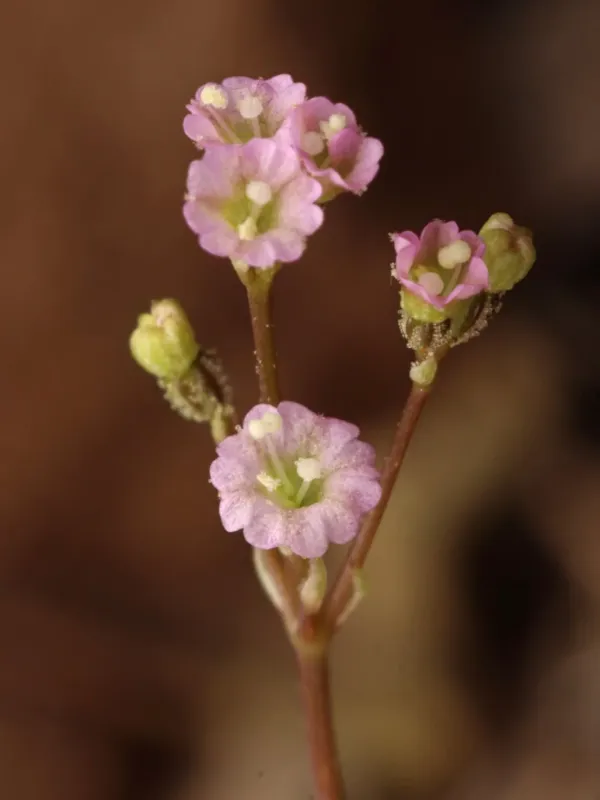
Description
Growing requirements
Boerhavia dominii is a herbaceous plant belonging to the Nyctaginaceae family. Native to Australia, this species is highly specialized for growth in arid and semi-arid environments where water availability is a limiting factor for traditional crop development.
The plant exhibits a prostrate growth habit with stems spreading across the ground, which helps minimize water loss and provides protection to the soil surface. Its botanical structure is characterized by small flowers and deep-reaching root systems that allow it to thrive during seasonal droughts.
In terms of soil requirements, the species is remarkably adaptable. It grows effectively in sandy, rocky, and saline soils, showing a unique ability to thrive in substrates that would inhibit the growth of most conventional agricultural commodities.
Agricultural management of this crop requires a focus on maximizing sun exposure and maintaining optimal plant spacing to accommodate its lateral growth pattern. In native ranges, the plant requires very little supplemental water, relying primarily on natural rainfall patterns for its growth cycles.
The primary agricultural use of Boerhavia dominii is as a fodder resource in rangelands. Due to its hardiness and tolerance to difficult soil conditions, it is increasingly studied for its potential in land rehabilitation projects and the stabilization of fragile arid ecosystems.
Main diseases and pests
The plant is occasionally impacted by insect herbivores, such as various species of beetles and caterpillars, which feed on the foliage. While these infestations rarely destroy the entire population, they can reduce the biomass yield required for pastoral purposes.
Fungal pathogens and root rots represent a threat primarily when soil moisture exceeds natural levels. In arid environments, the risk of disease is inherently low, but waterlogging is a critical factor that must be managed to ensure plant survival.
Competition from fast-growing, non-native weed species is a significant challenge for the establishment of this plant in disturbed landscapes. Maintaining clear space around seedlings is essential to ensure they survive the competitive early growth phases.
Overgrazing and high livestock pressure can mechanically damage the plant stems, hindering their ability to recover and produce seeds. Managing grazing intensity is critical to maintaining the health and longevity of the plant population.
Environmental stresses, such as prolonged heatwaves coupled with significant soil compaction, can impede the plant's development. Proper land management strategies that prioritize soil health are recommended to mitigate these potential risks.