
Boerhavia decumbens
Boerhavia decumbens
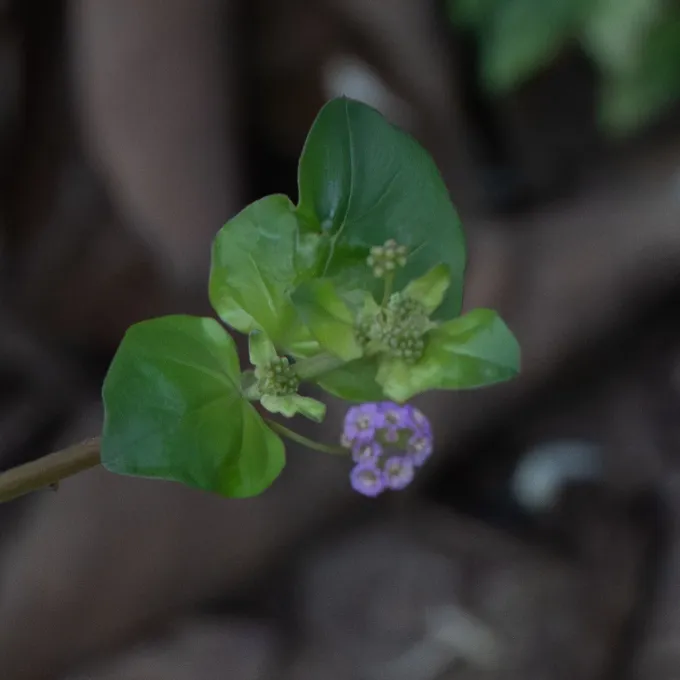
Description
Sowing dates
Boerhavia decumbens is a heat-loving crop, making the sowing timing critical, as it requires stable warm soil temperatures for successful germination.
The optimal time for sowing is late spring, once the risk of ground frost has passed and the soil has sufficiently warmed up under the sun.
Seeds benefit from pre-sowing treatments, such as soaking in warm water, which helps to soften the seed coat and trigger faster sprouting.
For regions with shorter growing seasons, starting seeds in greenhouses or indoors is recommended to ensure the plant reaches maturity before autumn.
Shallow sowing is essential, as the small seeds require light exposure to break dormancy and establish strong initial roots.
Growing requirements
Belonging to the Nyctaginaceae family, this species is well-adapted to environments that experience periodic dry spells and high temperatures.
The plant thrives in light, well-draining soils, particularly sandy or loamy textures that prevent any accumulation of water around the roots.
Full sun exposure is a non-negotiable requirement for Boerhavia decumbens, as low light levels significantly impair its secondary metabolite production.
While the plant is drought-tolerant, a consistent water supply during the early stages of development significantly boosts final biomass production.
- Excellent drainage
- High solar irradiance
- Neutral soil pH (6.0–7.5)
- Low humidity in the foliage area
Yield
The total yield of Boerhavia decumbens is highly responsive to the quality of cultivation techniques, including proper spacing and nutrient availability.
By providing adequate organic supplementation and precise irrigation, farmers can observe a substantial increase in the harvest of herbal raw material.
The harvest phase is usually timed to coincide with the onset of flowering, which ensures the highest concentration of bioactive compounds.
Successive cuttings can be performed throughout the growing season if the plant is maintained in an active state of growth through proper management.
Proper post-harvest handling, including rapid moisture reduction, is key to maintaining the market value of the harvested biomass.
Main diseases and pests
Root rot is the most common threat to Boerhavia decumbens, usually resulting from excessive irrigation or heavy soils with poor drainage capacity.
Pests like aphids and mites may become an issue during hot, dry periods, potentially causing damage to the soft vegetative tips of the plant.
Fungal pathogens pose a risk when ventilation is poor, which is why maintaining proper spacing between rows is a vital agrotechnical practice.
Integrated pest management, focusing on natural predators and botanical sprays, is preferred to maintain the plant's medicinal quality.
Crop rotation should be strictly observed to prevent the accumulation of soil-borne diseases that can devastate young Boerhavia stands.
Harvesting
Harvesting should be conducted during dry, sunny mornings after the dew has evaporated to ensure the material remains clean and moisture-free.
Strategic pruning techniques allow for the collection of high-quality aerial parts while preserving the base of the plant for rapid regrowth.
Immediate transportation from the field to the drying facility is necessary to preserve the freshness and chemical stability of the harvested yield.
Equipment used for harvesting must be adjusted to the appropriate height to avoid damaging the crown of the root system during the cutting process.
Controlled drying environments are essential to stabilize the product, preventing the degradation of key active components during the storage phase.