
Boerhavia coulteri
Boerhavia coulteri
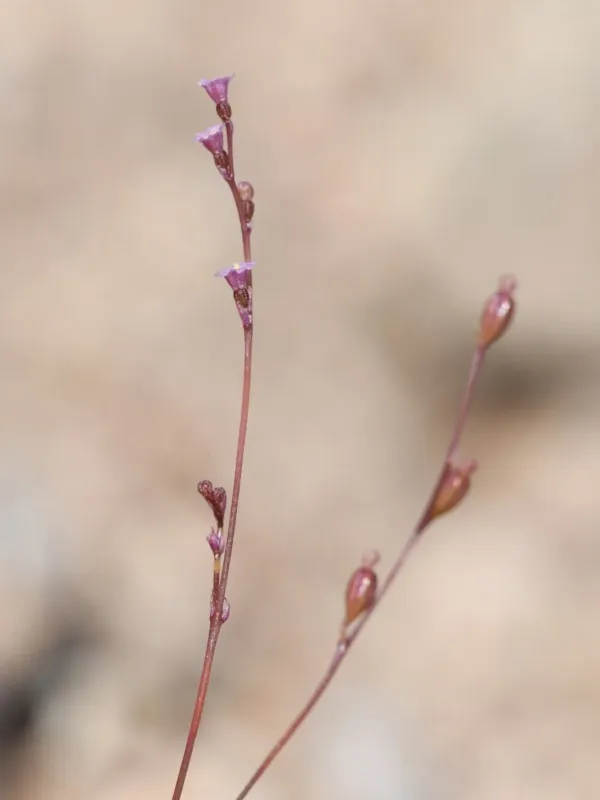
Description
Sowing dates
Boerhavia coulteri is a herbaceous plant belonging to the Nyctaginaceae family. In natural conditions, the seeds germinate primarily after the onset of the rainy season, allowing the plant to effectively utilize short moist periods in arid zones.
For cultivation, sowing is recommended in well-warmed, well-drained soil, as the species is highly sensitive to waterlogging and low temperatures during the germination stage. The optimal sowing depth is 1–2 centimeters to ensure proper contact with soil moisture.
The germination process requires a stable temperature range between +22 and +28 degrees Celsius. It is essential to avoid over-saturating the seedbed, as the seeds are prone to rotting if soil aeration is compromised.
When grown in controlled conditions or experimental plots, light exposure must be considered, as this species is a heliophile. A long photoperiod promotes vigorous vegetative development during the early stages of growth.
To speed up emergence, seeds can be pre-scarified to break the hard seed coat and improve field emergence. Generally, the crop is characterized by a slow initial growth rate, requiring diligent weed management in the early phases.
Growing requirements
The primary requirement for successful Boerhavia coulteri cultivation is the presence of loose, sandy, or sandy-loam soils with high permeability. The plant reacts negatively to soil compaction and high clay content.
The crop is adapted to hot and arid conditions; therefore, the optimal soil pH is in the neutral to slightly alkaline range. Saline-alkaline soils, typical of its native habitat, can also be suitable for cultivation.
Water requirements are low, as the plant possesses a distinct xerophytic survival strategy. Excessive irrigation leads to root rot and decreases the concentration of secondary metabolites in the plant tissues.
Climate preferences include high solar radiation and the absence of sudden temperature fluctuations during the active growing season. The plant is frost-intolerant, limiting its development cycle to periods of high summer heat.
Mineral nutrition should be balanced with an emphasis on potassium fertilizers, which help strengthen cell walls and increase overall drought tolerance. Excess nitrogen fertilizers can trigger excessive vegetative growth at the expense of reproductive organs.
Main diseases and pests
Major cultivation threats include pathogenic fungi of the genera Fusarium and Pythium, which cause root rot when aeration is poor and moisture levels are excessive. Infestation by these pathogens results in rapid plant wilting.
Among pests, spider mites represent the greatest danger, as they thrive on the plant during extremely hot and dry weather conditions. They feed on leaf sap, leading to leaf deformation and chlorosis.
Powdery mildew may affect Boerhavia during high air humidity in dense stands, requiring maintenance of optimal plant spacing. Prevention involves regular ventilation of the crop area and humidity monitoring.
Phytophagous insects, such as certain species of cutworm larvae, can damage foliage, reducing the plant's photosynthetic activity. If pests are detected, biological insecticides with short pre-harvest intervals are recommended.
Nematodes are also a potential threat, affecting the root system and causing gall formation. To reduce the risk of soil-borne pest infestation, crop rotation and the use of high-quality, sanitized seed material are essential.