
Boerhavia cordobensis
Boerhavia cordobensis
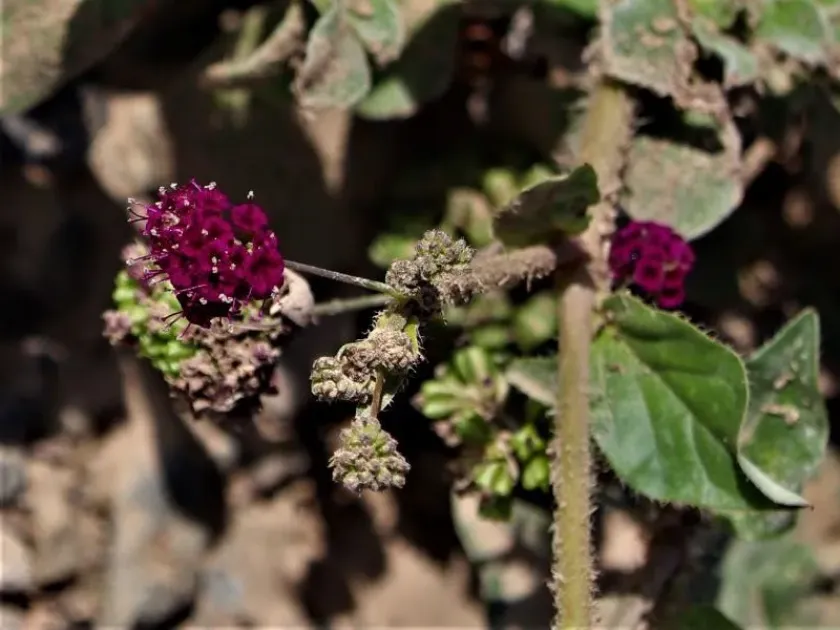
Description
Growing requirements
Boerhavia cordobensis is a herbaceous plant belonging to the Nyctaginaceae family. It is native to arid and semi-arid regions of South America, where it has evolved to survive under harsh environmental conditions with limited water availability.
The plant features a prostrate or ascending growth habit with cordate leaves, which are adapted to reduce transpiration. Its root system is deep and robust, allowing it to tap into moisture reserves in deeper soil horizons during extended periods of drought.
For successful cultivation, this species requires full sun exposure and well-draining soil. It thrives in sandy or loam substrates with low organic matter content and is particularly well-suited for regions with high daytime temperatures and significant diurnal shifts.
Agronomic management is relatively low-intensity once the plants are established. The key is to prevent waterlogging, as the root system is highly sensitive to hypoxia, which can quickly lead to plant mortality in poorly aerated environments.
Commercial potential for Boerhavia cordobensis focuses on its phytochemical profile. The plant is often studied for its medicinal properties, making it an emerging crop for pharmaceutical applications, provided that harvest techniques ensure consistent quality.
Main diseases and pests
Fungal pathogens associated with moisture stress are the primary threat. Root rot and damping-off can devastate seedlings if the seedbed moisture is not strictly controlled throughout the germination and early development phases.
Pest pressure mainly comes from sap-sucking insects like aphids and mites. These pests not only damage the foliage but can also act as vectors for viruses, which can lead to stunted growth and reduced total biomass yields.
Weed management remains a critical agronomic challenge during the early stages of plant growth. Because Boerhavia cordobensis establishes itself slowly, it requires a clean field environment to prevent being outcompeted by invasive weeds.
Nematode infestations in the soil can significantly hinder root development, leading to yellowing of leaves and overall decline in plant vigor. Crop rotation strategies are essential to mitigate the buildup of soil-borne pests in the field.
Physical damage during field operations, such as mechanical weeding, can expose the plant to opportunistic pathogens. Careful management and precise equipment calibration are required to maintain plant health throughout the season.