
Virginia sweetspire
Itea virginica L.
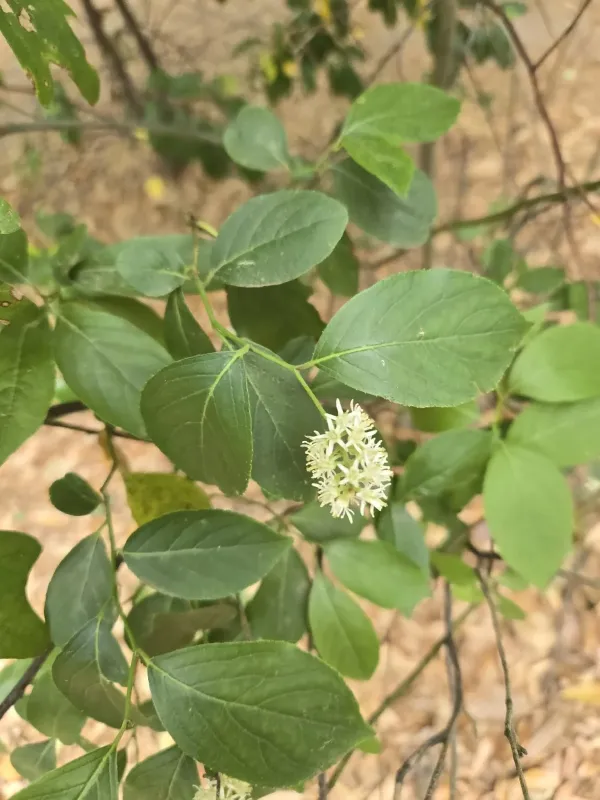
Description
Growing requirements
Virginia sweetspire (Itea virginica L.) is a deciduous flowering shrub belonging to the Iteaceae family. Native to the southeastern United States, it naturally thrives in wet woods, along stream banks, and in swampy areas, reflecting its high adaptability to moist environments.
This shrub requires specific conditions to perform well in a landscape setting. It prefers rich, acidic to neutral, moist, and well-drained soils. While it tolerates a variety of soil types, consistent moisture is critical for the plant to maintain its lush appearance and vibrant growth.
Itea virginica is known for its versatility regarding light exposure. It grows effectively in full sun to partial shade. In warmer climates, providing afternoon shade is beneficial to prevent leaf scorch and ensure the root system stays cool during peak summer heat.
Agricultural management of the species includes regular watering, especially during dry spells, and mulching. Using organic mulch around the base helps retain soil moisture, suppresses weed competition, and gradually improves soil structure by adding essential organic matter.
In terms of usage, it is highly valued for ornamental purposes. Its unique white, drooping racemes bloom in late spring and early summer, followed by brilliant red and purple fall foliage, making it a seasonal highlight in gardens and public green spaces.
Main diseases and pests
The Virginia sweetspire is generally considered a low-maintenance, hardy plant with few significant health problems. However, improper site selection, such as planting in compacted, poorly drained soil, can lead to root-related stress and potential fungal pathogens.
Common pests that may affect the plant include aphids and spider mites. These pests typically appear during hot, dry weather when the plant's natural defenses may be lowered due to moisture stress, causing discolored leaves and stunted growth on new shoots.
To maintain plant health, cultural practices such as selective pruning are recommended. Removing dead or crossing branches improves airflow through the center of the shrub, which reduces the likelihood of humidity-related fungal issues taking hold.
If an infestation occurs, horticultural oils or appropriate insecticides can be used to manage pest populations. It is important to inspect the undersides of leaves, as these are the primary habitats for many common sucking insects that attack Itea.
Prevention remains the most effective management strategy. By ensuring correct irrigation and adequate spacing for air circulation, growers can avoid most pest and disease pressures, maintaining the shrub's vigor and aesthetic appeal throughout its life cycle.