
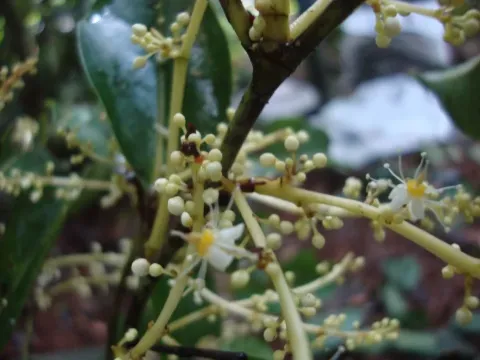
Desbordesia
Desbordesia
Desbordesia is a genus of large tropical trees belonging to the Irvingiaceae family. The most prominent species, Desbordesia glaucescens, is native to the dense equatorial rainforests of West and Central Africa, where it plays a significant role in the local ecosystem.
What the section contains
Desbordesia
The culture thrives in humid tropical climates characterized by consistent rainfall and high temperatures throughout the year. It requires an environment free from severe fluctuations to maintain its physiological functions and wood formation.
Soil requirements involve deep, fertile, and well-drained substrates. While these trees grow in forest regions, they do not tolerate waterlogged conditions, which can lead to root degradation and stunted growth in less than ideal terrains.
Botanically, the trees are known for their straight, towering trunks, often supported by buttress roots at the base. The leaves are typically leathery and evergreen, providing the tree with an efficient structure to survive the intense sun and humidity of the rainforest canopy.
In terms of economic use, Desbordesia is primarily valued for its timber. The wood is dense and durable, making it suitable for high-end construction and furniture production, often marketed under trade names related to its specific botanical qualities.
The primary threat to Desbordesia populations is deforestation and the loss of natural forest cover. Unsustainable logging practices hinder the ability of the species to regenerate naturally in its native African habitat.
Wood-boring insects, particularly xylophagous larvae, represent the most critical pest threat to the standing timber. These pests bore galleries into the wood, significantly reducing the commercial value of the timber and causing structural weaknesses.
Fungal diseases are a major concern, often secondary to pest infestation or environmental damage. These pathogens can cause heart rot and other wood decays, which remain invisible until the log is processed, leading to substantial economic losses.
Environmental stress, such as prolonged droughts caused by climate change, exacerbates the susceptibility of trees to opportunistic pests. Stressed trees are less capable of producing defensive compounds, making them easier targets for wood-decaying organisms.
Conservation strategies focus on implementing sustainable harvesting quotas and monitoring forest health. Protecting the habitat of Desbordesia is essential to ensure that this valuable natural resource persists for future generations.