
Hugonia
Hugonia
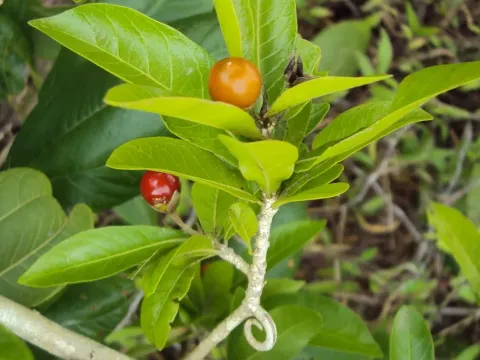
Hugonia is a genus of evergreen shrubs and lianas belonging to the Linaceae family. These plants are known for their woody stems and specialized hooked thorns, which act as climbing organs, allowing them to thrive in the dense understory of tropical forests.
What the section contains


Hugonia
The native range of Hugonia extends across the tropical regions of Africa, Asia, and Australia. The plants are naturally adapted to diverse tropical soils, preferring deep, well-drained loamy substrates rich in organic matter that support vigorous root development.
Climate requirements for successful growth include consistently high temperatures throughout the year, typically above 20 degrees Celsius, and high atmospheric humidity. They are intolerant of frost, which limits their commercial cultivation to the tropical and equatorial climate belts.
Proper light management is essential; while young specimens may tolerate partial shade, mature plants require bright, indirect sunlight to maximize metabolic activity and flowering. In agricultural practice, maintaining adequate spacing is crucial to ensure proper airflow and light penetration.
Agricultural management involves regular soil cultivation to maintain aeration and moisture balance. While the plants are hardy once established, young crops require consistent moisture and protection from strong winds to prevent mechanical damage to their delicate climbing appendages.
The primary threats to Hugonia crops are fungal pathogens, specifically those causing root rot and leaf spot diseases. These organisms thrive in environments with poor soil drainage and high humidity, making precise water management the most critical defense strategy.
Pest pressure is frequently observed from sap-sucking insects such as aphids, mealybugs, and scale insects. These pests cause significant stress to the plants, potentially leading to stunted growth and the spread of secondary viral infections if left untreated.
Larvae of certain tropical moths can pose a threat to the vegetative parts of the plant, occasionally leading to significant defoliation in plantation settings. Monitoring programs should focus on identifying early signs of herbivory to implement targeted biological control.
Disease outbreaks are often linked to environmental stress factors, such as sudden shifts in humidity or nutrient imbalances. Maintaining plant vigor through balanced fertilization programs helps strengthen the natural resistance of the plants to various biotic stressors.
Since Hugonia species often contain pharmacologically active compounds, chemical pesticide usage is strictly regulated. Integrated Pest Management (IPM) practices, which prioritize natural predators and organic barriers, are recommended for the sustainable production of these plants.