
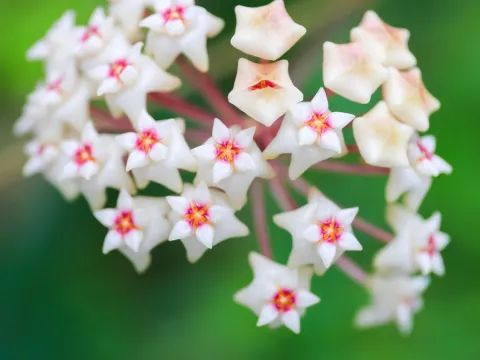
Hua
Hua
Sowing of the Hua crop is carried out during the spring period when the soil warms up to stable temperatures, eliminating the risk of night frosts. To ensure uniform germination, it is recommended to plant seeds at a depth of no more than two to three centimeters in prepared substrate.
What the section contains
Hua
Optimal timing depends on regional climate conditions, but it is traditionally held during the second half of April or early May. It is important to maintain spatial isolation to prevent cross-pollination with wild relatives, which could negatively affect the quality of the seed material.
When sowing, it is crucial to consider the density of the plants, as excessive overcrowding leads to a shortage of sunlight and a subsequent decrease in biomass productivity. The recommended sowing pattern involves spacing rows 45-60 centimeters apart to ensure high-quality care.
The use of stratified seeds significantly increases the percentage of field emergence and accelerates the development of the primary root system in the first weeks of vegetation. Agronomists recommend testing seeds for germination vigor one month before the planned start date of sowing work.
Irrigation immediately after covering the seeds is a critical factor for activating biochemical processes within the seed endosperm. In the absence of natural precipitation, overhead irrigation should be provided, maintaining a constant level of soil moisture in the upper horizon.
The Hua crop has high demands on soil fertility, preferring loamy soils with a neutral or slightly alkaline reaction. An important factor is good aeration of the root system, so heavy clay soils require the mandatory incorporation of organic soil conditioners.
This species is characterized by pronounced light-loving behavior, so placing crops in open areas with southern exposure is key to successfully forming a full harvest. A lack of solar radiation leads to stem elongation and weakening of the plant's immune system.
The temperature regime during the period of active growth should be in the range of 20–25 degrees Celsius, while sharp temperature fluctuations can provoke stress states. For full development, the crop requires a stable growing season without extreme weather events.
Moisture availability plays a decisive role during the budding and flowering stages when the plant is most vulnerable to drought. Drip irrigation systems are considered the most effective way to maintain the necessary water balance during intensive cultivation of the crop.
- Soil: Drained loams with high humus content.
- Lighting: Intense, without shading.
- Nutrition: Application of balanced nitrogen-phosphorus fertilizers.
The yield of Hua depends directly on the quality of the agricultural technology used and the fertility of the specific field where the crop is planted. On average, if all recommendations are followed, farmers can count on stable indicators that ensure production profitability.
The biological potential of the crop allows for the production of a significant volume of green mass, which is used in further industrial processing. Optimizing nitrogen mineral nutrition in the first half of the vegetation period contributes to increasing the yield of commercial products per hectare.
Factors limiting yield are often the untimely weeding and the presence of weed vegetation in the early stages of development. Competition for nutrients significantly reduces the mass of the plant's commercial organs, making weed control a top priority.
Maximum yield indicators are achieved by using varietal material adapted to the specific climatic zone of cultivation. Taking local microclimate features into account allows minimizing losses and increasing the marketability of the harvested produce.
Statistical data show that the use of modern growth regulators helps increase productivity by 10-15 percent without compromising quality. It is important to monitor the state of the crops weekly to adjust the fertilization strategy in a timely manner.
Among the main threats to Hua are fungal pathogens, which activate under conditions of excessive air and soil humidity. The development of root rot can lead to the death of crops, so preventive measures, including seed treatment with fungicides, are mandatory.
Insect pests can also cause significant damage by affecting the leaf plate and young shoots of the plant at the initial stages of development. Regular inspection of the undersides of the leaves allows for the timely detection of infestation hotspots and local insecticidal treatment.
Viral diseases transmitted by aphids pose a serious threat to plantations, as there are currently no effective methods for treating infected plants. Combating disease vectors is the only reliable way to protect the crop.
Non-infectious lesions caused by imbalances in soil pH or micronutrient deficiencies can also weaken the crop and make it vulnerable to phytopathogens. Diagnostic checks based on external signs of leaf discoloration help quickly identify shortages of magnesium or iron.
An integrated protection system that combines biological methods with targeted application of chemical agents allows minimizing risks and preserving the harvest. It is important to rotate the pesticides used to prevent the development of pest resistance.
The harvesting of Hua is carried out during the phase of technical maturity, when the accumulation of target substances reaches maximum levels. An indicator of readiness for harvest is the change in color or texture of the vegetative organs, which is clearly visible during field inspection.
The harvesting process is best performed in the morning hours, after the dew has evaporated, to avoid the accumulation of excess moisture in the produce. This extends shelf life and reduces the risk of rotting processes during transportation and primary processing.
An important aspect is the use of careful cutting methods to avoid mechanical damage to tissues, which acts as a gateway for secondary infections. Tools must be disinfected before every shift to maintain sanitary control.
After harvesting, the produce must undergo primary cleaning and, if necessary, rapid drying in shaded, well-ventilated areas. Maintaining the temperature regime during drying prevents the destruction of useful nutrients contained in the crop.
Sorting of the harvest is carried out immediately after primary processing, rejecting damaged or diseased specimens to prevent spoilage of the entire batch. Packaging must provide necessary air circulation to avoid "steaming" of the product during logistics.