
Gnetum gnemon
Gnetum gnemon L.
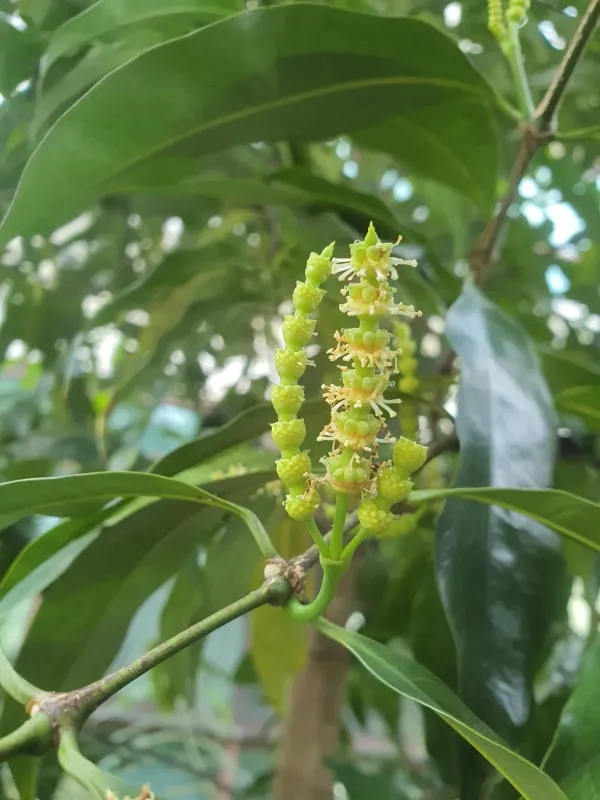
Description
Sowing dates
Gnetum gnemon is typically propagated through seeds. It is crucial to plant seeds immediately after harvest, as they lose viability rapidly if allowed to dry out.
Seed treatment, such as scarifying the outer coat or soaking in warm water for 24 hours, can significantly improve the rate of successful germination.
Seeds should be sown at a depth of 2–3 centimeters in a nutrient-rich, well-draining potting mix. Maintaining consistent moisture is essential for success.
The ideal temperature for germination is between 25 and 30 degrees Celsius. Be aware that the germination process can be slow and often happens unevenly.
Seedlings should be transplanted into individual containers once they have developed several true leaves, keeping them in a sheltered area until established.
Growing requirements
Gnetum gnemon is a member of the Gnetaceae family. It is a slow-growing evergreen tree that can reach heights of up to 20 meters in the wild.
The tree thrives in tropical climates with stable temperatures ranging from 22 to 32 degrees Celsius and high, consistent annual rainfall.
Deep, fertile, and well-drained soils are mandatory. The tree is highly intolerant of waterlogging, which often leads to rapid decay of the root system.
While the trees prefer sunny conditions as they mature, young plants require partial shade to protect them from intense heat and direct sunlight exposure.
Maintaining a layer of organic mulch around the base helps regulate soil temperature and moisture, which is vital for the health of the tree.
Yield
Plants generally reach maturity and begin to yield fruit between 5 to 7 years after planting. Full productive capacity is usually attained after 10 years.
The tree produces clusters of orange-red drupe-like seeds. A healthy, mature tree can produce approximately 10 to 15 kilograms of seeds per harvest season.
Beyond the fruit, the young leaves are a highly valued culinary product, harvested continuously throughout the growing season.
Regular pruning and organic fertilization are key factors in maximizing yield and ensuring that the tree remains productive over many decades.
Yield stability is dependent on the availability of soil nutrients and proper moisture management during the flowering and fruit-setting stages.
Main diseases and pests
Fungal diseases are the most significant threat to Gnetum gnemon, particularly in areas with poor airflow and high humidity levels.
Scale insects and spider mites are common pests that tend to infest the plant during prolonged dry spells or periods of environmental stress.
Root rot is the most dangerous condition for this species, as it is difficult to detect before significant damage has already occurred to the tree.
Effective pest and disease management relies on preventative practices, such as maintaining adequate spacing and proper soil drainage.
- Pruning to ensure air circulation within the canopy.
- Monitoring for pest outbreaks in the early stages.
- Maintaining soil health to prevent root-based infections.
Harvesting
Seeds are harvested when they reach a deep red color, signaling full maturity. They must be collected promptly to prevent loss to wildlife or decay.
Leaves are collected manually, selecting the youngest and most tender growth to ensure the highest quality for culinary processing.
Post-harvest, the seeds require processing, such as roasting or drying, to ensure safety and improve the digestibility of the final product.
Many local farmers process seeds into thin crackers, known as melinjo chips, which is the primary economic use of this agricultural crop.
Proper storage is essential; since the seeds contain high levels of starch, they must be processed quickly to avoid spoilage in tropical climates.