
Lima bean
Phaseolus lunatus L.
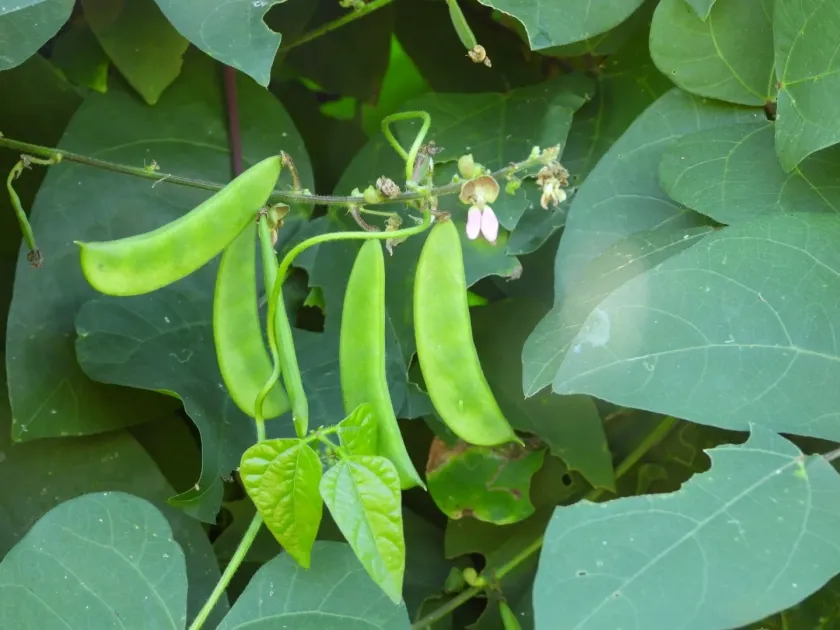
Description
Sowing dates
Lima bean is a warm-season crop that belongs to the Fabaceae family and requires stable, warm soil temperatures of at least 18 degrees Celsius to successfully germinate.
Sowing typically takes place after all frost risks have passed, usually in late spring, as the seeds are highly susceptible to rotting in cold or wet soil conditions.
The seeds should be planted at a depth of 3–5 centimeters, with spacing adjusted according to the growth habit of the variety—bush types require less space than climbing vining types.
Proper moisture management during the germination stage is crucial, but soil must remain well-drained to prevent the seeds from decaying before they emerge.
In regions with shorter growing seasons, starting the plants in greenhouse containers and transplanting them after the soil has warmed is a common agronomic practice.
Growing requirements
This crop thrives in areas with long, warm growing seasons and requires full sun exposure for optimal vegetative development and high pod production.
The plant prefers well-structured, fertile soils with a neutral pH, ranging from 6.0 to 7.0, and has moderate tolerance for various soil types provided they are not waterlogged.
Adequate water supply is essential during the flowering and pod-filling stages, as drought stress during these periods significantly impacts yield by causing flower abortion.
Lima beans are sensitive to extreme heat; temperatures consistently above 35 degrees Celsius can negatively affect pollen viability and reduce the final harvest.
Integrated nutrient management is recommended, focusing on providing sufficient phosphorus and potassium while limiting excess nitrogen to avoid over-vegetative growth.
Yield
Yield potential of Lima beans varies significantly based on cultivar type, with climbing varieties generally producing more pods over a longer season than bush varieties.
High yields depend on the plant's ability to maintain health and continuous flowering throughout the season, which is supported by consistent soil moisture and weed control.
Under professional agricultural conditions, yields can reach 1.5 to 3 tons per hectare, assuming good farm management and appropriate climatic conditions are present.
Effective weed management is a critical factor in protecting yield, as weeds compete aggressively for sunlight and nutrients during the early stages of development.
Regular harvesting of mature pods promotes the plant to continue producing flowers, which can extend the productive period and increase the cumulative yield for the season.
Main diseases and pests
The crop is vulnerable to various fungal diseases, such as anthracnose and powdery mildew, especially in humid environments with poor air circulation.
Root rots caused by soil-borne pathogens are common in heavy, poorly drained soils, often resulting in significant stand loss during the early vegetative phase.
Insect pests, including aphids and spider mites, pose a constant threat by causing leaf damage and acting as vectors for viral diseases that reduce overall plant vigor.
The bean weevil is a primary post-harvest threat, capable of destroying stored seeds if proper phytosanitary measures are not implemented during storage.
Control strategies involve a combination of certified disease-free seeds, crop rotation to break pathogen cycles, and timely application of authorized plant protection products.
Harvesting
Harvesting timing is essential for quality, as the pods should be gathered when seeds are full-sized and the pods have begun to change color but before they shatter.
For dry bean production, the pods must be left on the plant until they are fully mature and dry, provided the climatic conditions remain stable and rainfall is low.
Mechanical harvesting is feasible but requires careful setting of equipment to avoid mechanical damage to the seeds, which have a thin and fragile coat.
Post-harvest processing includes thorough drying of the beans to a moisture content of approximately 12–14 percent to prevent mold and quality deterioration during storage.
Proper storage in clean, dry, and cool facilities is necessary to maintain seed viability and nutritional quality, protecting the crop from moisture and pests.