
Andira racemosa
Andira racemosa
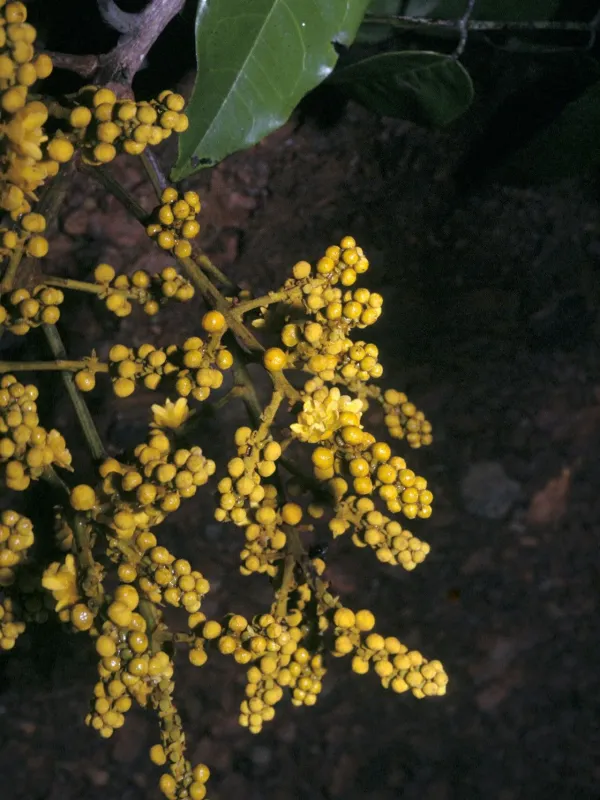
Description
Growing requirements
Andira racemosa is a prominent member of the Fabaceae (legume) family, native to the tropical regions of Central and South America. This species typically thrives in moist forest environments and is widely recognized for its robust growth habit in its natural habitat.
The cultivation of this tree requires a warm tropical climate, as it is highly sensitive to frost and cold stress. It performs best in deep, fertile soils that provide excellent drainage, ensuring that the roots remain healthy and free from prolonged waterlogging, which the plant cannot tolerate.
In terms of light exposure, Andira racemosa requires significant solar access to reach its full development potential. While young plants can adapt to some shade, mature trees demonstrate much better productivity when provided with open canopy conditions and plenty of space.
Botanically, the plant is characterized by its compound pinnate leaves and distinctive raceme-shaped inflorescences. The fruit consists of a single-seeded drupe that contains compounds known for their chemical activity, which have historically been studied for medicinal potential.
The tree serves several economic roles, primarily in the timber industry, where its dense, durable wood is highly valued for exterior construction and cabinetry. Additionally, the bark and seeds are utilized in traditional medicine due to their active anti-parasitic properties.
Main diseases and pests
Common biological threats include fungal infections that target the bark during periods of high humidity. Furthermore, various wood-boring insects may infest the trunk if the tree is already stressed by drought or poor site selection, necessitating consistent monitoring in plantation management.