
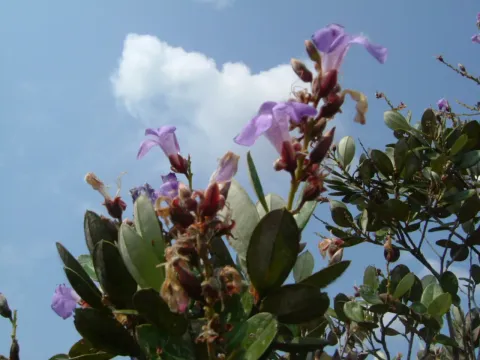
Euphronia
Euphronia
Euphronia is a genus of tropical plants belonging to the Trigoniaceae family. These plants are primarily characterized by their evergreen growth habit, functioning as shrubs or small trees that thrive in the specific microclimates of South American rainforests and savanna regions.
What the section contains
Euphronia
The native range of the genus is concentrated in regions including Brazil, Colombia, and Venezuela. These plants are uniquely adapted to nutrient-poor, acidic soils, often thriving in sandy environments where other species struggle to establish themselves, reflecting a high level of edaphic specialization.
In terms of climatic requirements, Euphronia demands consistent thermal stability, requiring warm temperatures throughout the entire year. High atmospheric humidity is an essential factor for the healthy development of the plant, making it highly sensitive to dry air and fluctuations in moisture levels.
Botanically, the species within this genus possess distinct morphological traits, including leathery, simple leaves designed to withstand direct heat and transpirational stress. The vascular structure is indicative of a long-term evolutionary adjustment to the competitive environment of the tropical canopy.
While not a major commercial agricultural crop, the study of Euphronia remains crucial for understanding tropical ecosystem resilience. Future potential may lie in its ecological role, but currently, it is primarily managed within the scope of botanical research and biodiversity conservation efforts.