
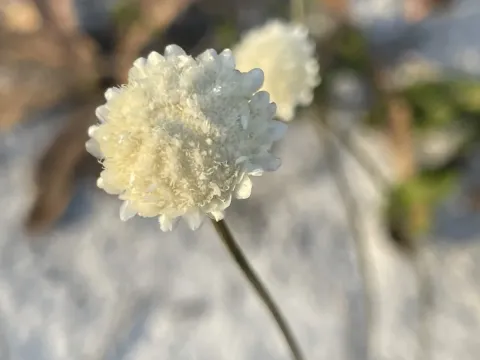
Comanthera
Comanthera
Comanthera is a genus of herbaceous plants belonging to the Eriocaulaceae family. These are perennial plants predominantly found in tropical and subtropical regions of South America, with a significant concentration of species occurring in the diverse ecosystems of Brazil.
What the section contains
Comanthera
Biologically, these plants are adapted to waterlogged habitats, commonly found along river banks, floodplains, and the specific high-altitude meadows known as "campos rupestres," which feature sandy, nutrient-poor substrates. They have evolved to thrive in soils where mineral availability is naturally low.
For successful cultivation in controlled environments, Comanthera requires high light intensity and stable substrate moisture levels. These plants are exceptionally sensitive to soil salinity and over-fertilization, necessitating the use of specialized, acidic, low-mineral substrates to support healthy growth.
In ornamental horticulture and floristry, Comanthera is prized for its unique, dense flower heads, which are often covered in delicate pubescence. This aesthetic appeal makes it a sought-after species for specialized landscape designs, wetland features, and high-end greenhouse collections.
The economic importance of the plant is primarily centered on its role as a decorative or collectible species. While it is not grown as a broad-acre agricultural crop for food or forage, it occupies a specific niche in the market for high-quality dried botanical materials.
The primary threats to Comanthera species are fungal infections, which often develop when root zone aeration is compromised. Prolonged water stagnation without adequate airflow can lead to rapid rot of the root crown and basal foliage.
Common pests associated with this crop include spider mites and mealybugs, which tend to infest the plants under conditions of low humidity. Frequent visual inspections of the foliage and flower heads are essential for early detection and mitigation.
Improper pH levels in irrigation water serve as a major stress factor, often triggering chlorosis. The plant reacts negatively to hard water with high mineral content, which effectively inhibits the uptake of essential micronutrients.
In greenhouse settings, maintaining a stable temperature is critical, as sharp fluctuations can cause irreversible deformation of the flower spikes. The plant lacks natural resilience to common pathogens found in outdoor environments outside its native range.
Disease prevention protocols focus on using sterile growing media and monitoring irrigation water quality. Fungicide applications must be administered with caution, as the sensitive root system is prone to phytotoxicity from certain chemical agents.