
Ctenitis
Ctenitis
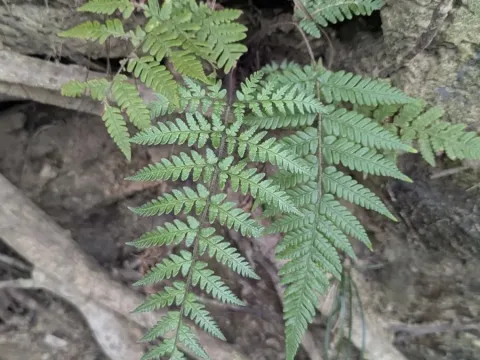
Ctenitis is a genus of ferns within the Dryopteridaceae family, known for its elegant foliage and distinct botanical structure. These plants are primarily native to tropical and subtropical regions across the Americas, Africa, and Asia.
What the section contains

Ctenitis
In their natural habitat, these ferns thrive in shaded, humid environments, typically found in forest understories. They possess complex, pinnate fronds often covered in characteristic hairs or scales, which are essential for their identification.
Successful cultivation requires high ambient humidity and stable, warm temperatures ranging from 18 to 24 degrees Celsius. It is crucial to protect the plant from direct sunlight, which can quickly dehydrate and scorch the delicate foliage.
The substrate must be well-draining, loose, and rich in organic matter. A mixture of peat, leaf mold, and horticultural sand provides the necessary aeration for root development while retaining sufficient moisture.
Watering should be consistent; the plant prefers a moist but not waterlogged growing medium. Using soft or distilled water is recommended, as high chlorine or mineral content can lead to leaf tip necrosis.
The most common pests affecting Ctenitis include spider mites, mealybugs, and scale insects, which often proliferate in environments with inadequate air circulation or low humidity.
Fungal diseases, specifically root rot, occur when moisture levels are poorly managed. Ensuring a drainage layer at the bottom of the container is a critical measure to prevent stagnation of water.
Regular maintenance, including the removal of dead or yellowing fronds, helps maintain plant hygiene and prevents the spread of potential pathogens. Clean tools should be used for all pruning tasks.
Monitoring for pest presence should be carried out weekly. Early detection allows for physical removal, which is often sufficient before resorting to chemical insecticides or miticides.
Environmental stability is key to preventing plant stress. Sudden changes in temperature or prolonged exposure to drafts can weaken the fern's immune system, making it more susceptible to opportunistic diseases.