
Ctenitis cirrhosa
Ctenitis cirrhosa
Description
Growing requirements
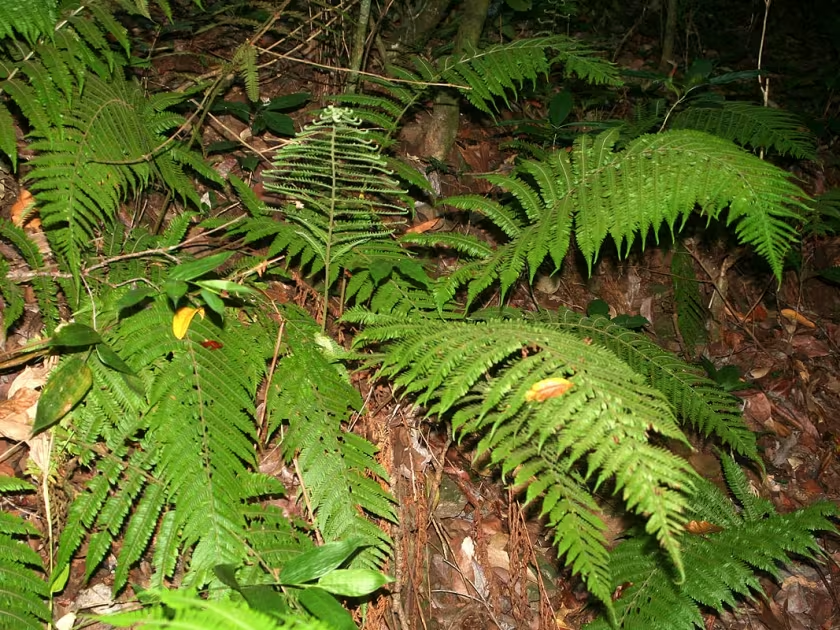
Ctenitis cirrhosa is an ornamental fern species belonging to the Dryopteridaceae family. Originally from tropical habitats, this fern thrives in understory conditions, where it is shielded from direct sunlight and enjoys high ambient humidity.
The plant features delicate, arching fronds that are typically bipinnate or tripinnate, providing a lush, green appearance. Its root system is relatively shallow, requiring a porous medium that retains moisture without becoming waterlogged.
Optimal growth requires an environment that mimics the rainforest floor. A temperature range between 18°C and 24°C is ideal, with careful avoidance of cold drafts, which the plant finds particularly distressing.
When selecting a substrate, one should opt for a mix rich in organic matter. A combination of peat moss, perlite, and coarse bark pieces provides the drainage necessary to prevent root suffocation while maintaining the required moisture levels.
Regular misting or the use of an automated humidifier is strongly recommended, especially in indoor settings. The plant's ability to maintain its foliage quality depends heavily on the consistency of the surrounding moisture levels.
Main diseases and pests
Root rot is the most prevalent threat for Ctenitis cirrhosa, typically caused by overly frequent watering or poor drainage. Proper assessment of soil moisture before adding more water is a vital maintenance step.
Spider mites represent a major pest risk, particularly when humidity levels drop below ideal thresholds. These tiny pests rapidly multiply on the undersides of leaves, causing yellowing and webbing.
Scale insects can also colonize the stalks and fronds, extracting sap and weakening the plant. Manual control combined with systemic insecticides is often necessary for significant infestations.
Poor ventilation can lead to fungal leaf spots, which detract from the aesthetic value of the plant. Ensuring there is adequate air circulation helps keep the foliage dry and prevents the spread of spores.
Finally, nutritional deficiencies can manifest as overall chlorosis. Balanced, slow-release fertilizers designed for acid-loving ferns should be applied cautiously during the active growing season to support development.