
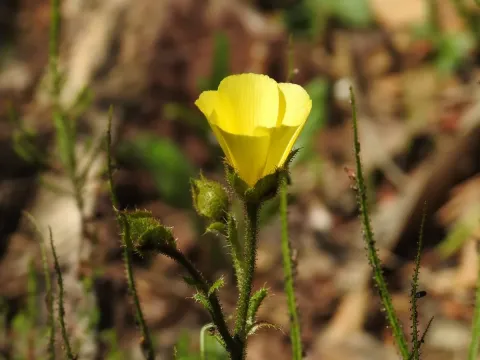
Drosophyllum
Drosophyllum
Drosophyllum seeds feature a tough seed coat that inhibits germination, making scarification or soaking in warm water an essential pre-sowing treatment.
What the section contains

Drosophyllum
Early spring is the ideal time for sowing, as the increasing day length provides the necessary energy for the seedlings to establish a strong root system.
It is vital to use individual pots for sowing, as the plant has a deep taproot that is highly sensitive to root disturbance or transplantation.
The growing medium must be very well-draining, typically consisting of a mix of peat moss, perlite, and coarse sand to mimic natural stony habitats.
Seeds should be sown on the surface and barely covered with a fine layer of grit or sand, ensuring they remain moist but not waterlogged during germination.
Native to the Mediterranean region, Drosophyllum thrives in conditions characterized by high solar exposure, moderate temperatures, and low nutrient availability.
Full sun is a non-negotiable requirement; the plant requires intense light to develop its sticky, insect-trapping tentacles and healthy foliage.
Soil requirements are quite specific: the substrate must be lean and acidic, with excellent aeration to prevent the taproot from rotting in stagnant water.
Ventilation is as important as light; stagnant air in indoor environments often leads to fungal issues, so constant airflow is necessary for healthy growth.
Watering must be done with extreme caution, using only distilled or rainwater, and allowing the top layer of the soil to dry out between each application.
The primary threat to Drosophyllum is root rot caused by overwatering or poor drainage, which can kill a mature specimen in a matter of days.
Mealybugs are common pests that thrive in the sticky secretions of the plant, often requiring manual removal and careful pest management strategies.
Aphids can also attack the soft tissues of new growth, leading to stunted development and distorted leaves if left untreated by the grower.
Spider mites represent a risk during periods of low humidity, causing fine webbing and general decline in the vitality of the plant's tentacles.
Preventative care involves maintaining good hygiene around the plant and ensuring that the foliage is never kept excessively wet for long periods.