
Dewy Pine
Drosophyllum lusitanicum
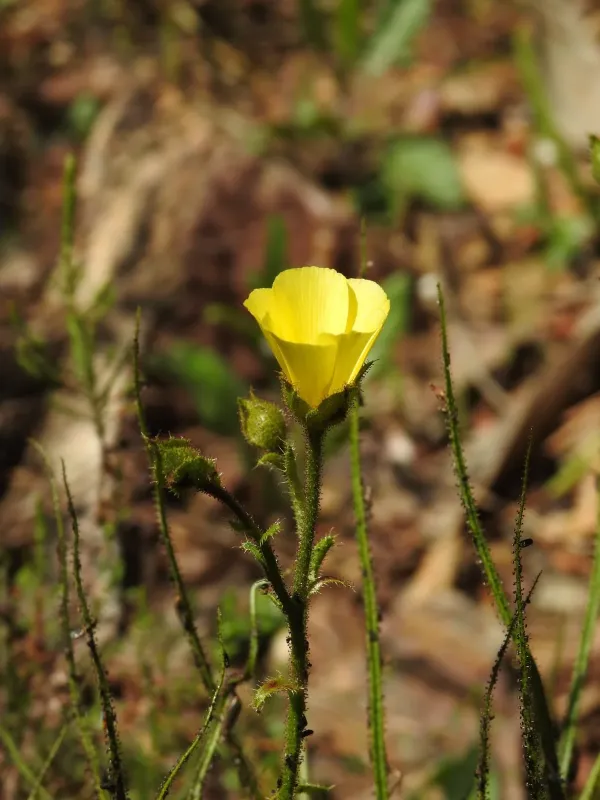
Description
Sowing dates
Sowing Drosophyllum lusitanicum requires patience and precise preparation of the seeds. The seeds are enclosed in a hard shell, so careful scarification is often necessary to improve germination rates.
It is best to sow the seeds during late winter to early spring. Using fresh seeds is critical, as their viability decreases significantly after a short period of storage.
Always sow directly into individual pots because the species is notorious for its intolerance to root disturbance. Once the primary root is damaged, the plant often fails to recover.
The growing medium must be nutrient-poor and extremely well-draining. A mixture of perlite, vermiculite, and a small amount of peat is ideal for maintaining the structure needed by the plant.
Maintain temperatures between 15 and 20 degrees Celsius during the germination phase. Keep the soil barely moist to ensure the seeds have enough hydration without being waterlogged.
Growing requirements
Drosophyllum lusitanicum, commonly known as the Dewy Pine, is the only member of the Drosophyllaceae family. It is native to the arid regions of Portugal, Spain, and Morocco.
Light is the most critical requirement for this species. It demands full, intense sunlight for most of the day to produce its characteristic sticky droplets and stay healthy.
Watering must be done with care using only distilled, rainwater, or deionized water. Tap water contains dissolved minerals that accumulate in the soil, which is harmful to the plant's delicate roots.
Unlike many other carnivorous plants, this species does not like "wet feet." The soil should be allowed to dry out slightly between waterings to ensure good aeration for the root system.
Adequate air circulation is vital. Stagnant air encourages fungal growth and reduces the overall vigor of the plant, making it more susceptible to infections.
Main diseases and pests
The primary threats to this plant are soil-borne pathogens and root rot, which are triggered by overwatering or poor drainage. Excessive humidity around the stem is a major killer.
Aphids and spider mites may attempt to feed on the foliage. While the sticky secretions catch insects, they do not always deter specialized pests that have adapted to the plant.
To keep the plant healthy, avoid using chemical pesticides that might damage the leaf surface or interfere with the sticky trapping mechanism.
Ensure that the plant is kept in a clean environment. Using sterile tools and substrates during the initial potting phase is essential for long-term health.
Proper environmental management is the best defense. A plant grown in its ideal light and drainage conditions is far more resilient to attacks from pests and diseases.