
Centrolepis
Centrolepis
Centrolepis is a genus of small, cushion-forming or tufted herbaceous plants belonging to the family Centrolepidaceae. These plants are not recognized as agricultural crops and do not have any commercial cultivation history or economic applications in modern farming.
What the section contains
Centrolepis
The genus is primarily native to Australia, New Zealand, and parts of Southeast Asia. Its species are specifically adapted to damp or wet environments, commonly found in seasonal wetlands, river banks, and regions with high precipitation levels during the growing season.
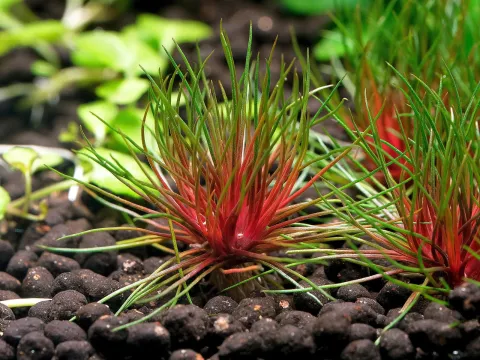
Morphologically, Centrolepis plants are characterized by their small size and grass-like or moss-like appearance. They produce leaves in basal rosettes, and their flowers are protected by specialized bracts, which is a distinctive taxonomical feature within the order Poales.
The ecological requirements of this genus include saturated, acidic, and nutrient-poor soils. They excel in habitats where competition from more vigorous vegetation is limited, displaying a unique capacity to colonize harsh, boggy landscapes that are typically hostile to other plant species.
In terms of agricultural or industrial utility, Centrolepis holds no value. However, it remains a subject of botanical interest due to its specific adaptations. The plants serve as indicators of stable hydrological conditions and are essential components of the unique flora in their native regions.