
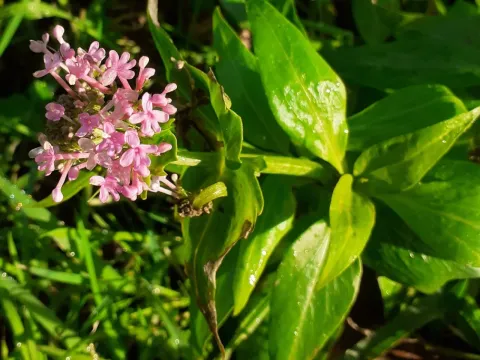
Centranthus
Centranthus Lam. et DC.
Sowing Centranthus seeds should be done in late winter or early spring using a lightweight, sandy substrate. The seeds require light for germination, so they should be pressed into the soil surface rather than covered deeply.
What the section contains

Centranthus
Transplanting seedlings to the garden should occur once the danger of spring frosts has passed. This timing ensures the plants establish strong root systems before the heat of summer arrives.
Direct outdoor sowing is possible in mid-spring when the soil has warmed up sufficiently. The area must be cleared of weeds and debris to allow the small seeds to establish themselves without competition.
Spacing is a critical factor for success; keeping a distance of 30–40 cm between plants is essential for airflow. Proper spacing prevents moisture buildup and subsequent fungal issues.
Stratification can be used to improve germination rates, as the seeds respond well to a period of cool temperatures. This simple step leads to more uniform and vigorous seedling development.
Centranthus, a member of the Valerianaceae family, originates from the Mediterranean region. It is naturally adapted to sunny environments and thrives in warm, temperate climates with ample exposure to sunlight.
The plant demands well-drained soil and prefers alkaline or rocky conditions. Waterlogged or heavy clay soils are detrimental, leading to root rot and poor plant performance in the long term.
As a drought-tolerant species, Centranthus is an excellent candidate for xeriscaping. It requires minimal irrigation once established, relying mostly on natural rainfall during the growing season.
Exposure to full sun is necessary for the development of its vibrant flower spikes. In shady conditions, the plant tends to become leggy and produces significantly fewer blossoms.
Maintenance involves occasional fertilization with balanced nutrients to support blooming cycles. Excessive nitrogen levels should be avoided, as they promote leafy growth at the expense of floral production.
Root rot is the most significant threat to Centranthus, typically triggered by poorly drained soil or excessive moisture. Improving drainage via amendments or raised beds is the best prevention method.
Aphids can be a common pest, particularly on young flower spikes. Regular monitoring and the application of insecticidal soaps can manage these populations before they cause significant damage.
Slugs and snails may target young growth during damp weather. Using physical barriers or organic baits around the base of the plant can protect the foliage from grazing.
Powdery mildew may occur when humidity levels are high and air circulation is compromised. Pruning the plant to allow better airflow effectively reduces the risk of this fungal disease.
Integrated pest management, combining proper site selection with regular observation, ensures a healthy plant population. Early detection of symptoms allows for targeted and effective interventions.
Harvesting flower spikes for bouquets should be done when the buds are just beginning to open. Cut stems remain fresh for a considerable duration when placed in clean water immediately.
For seed collection, the fruiting heads should be harvested when they are fully mature but before they scatter. Drying the heads in a paper bag helps to capture the seeds easily.
Deadheading spent flowers is a recommended practice to stimulate secondary blooms. This prevents the plant from diverting energy into seed production and maintains its tidy appearance.
At the end of the gardening season, cutting the foliage back to the crown prepares the plant for winter dormancy. This helps to protect the root system from excessive cold and moisture.
When grown for medicinal or botanical purposes, the plant material should be dried in a cool, well-ventilated area. This process is essential to preserve the integrity of the active compounds.