
Webb's honeysuckle
Lonicera webbiana
Description
Growing requirements
Webb's honeysuckle (Lonicera webbiana) is a deciduous perennial shrub belonging to the Caprifoliaceae family. This species originates from the high-altitude regions of the Himalayas and parts of Central Asia.
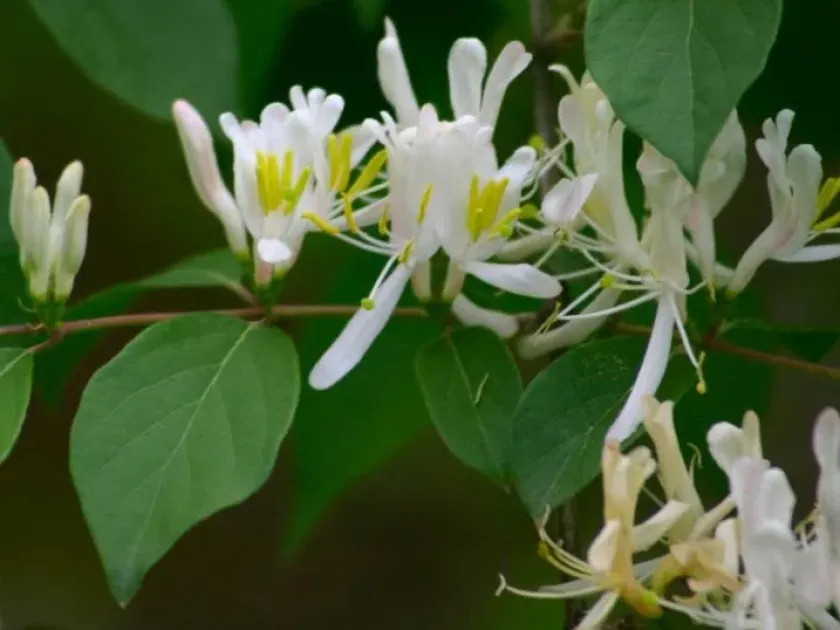
Botanically, it is recognized by its dense, branching structure and dark, oval-shaped leaves. The plant produces tubular flowers that develop into pairs of small, fleshy fruits, contributing to its ornamental value during the late summer and autumn.
The cultural requirements involve selecting a location with well-drained soil. It thrives in loamy substrates that hold adequate moisture without becoming waterlogged, ensuring optimal root development throughout the season.
Regarding climate, this species is noted for its hardiness. It adapts well to temperate climates and can withstand exposure to wind and moderate frost, making it a reliable choice for outdoor cultivation in various garden settings.
Its primary agricultural and horticultural role is ornamental. It is widely used for hedging, naturalistic plantings, and as a structural element in larger landscape designs due to its aesthetic foliage and fruit display.
Main diseases and pests
Fungal pathogens represent the main biological threat to this species. Conditions that lack proper air circulation can lead to outbreaks of powdery mildew, necessitating careful pruning and environmental management.
Common insect pests include aphids and leaf-eating beetles, which may feed on young tissue. Integrated pest management strategies, such as physical removal or organic insecticidal soaps, are recommended for maintaining plant vigor.