
Obovate-leaved honeysuckle
Lonicera obovata
Description
Growing requirements
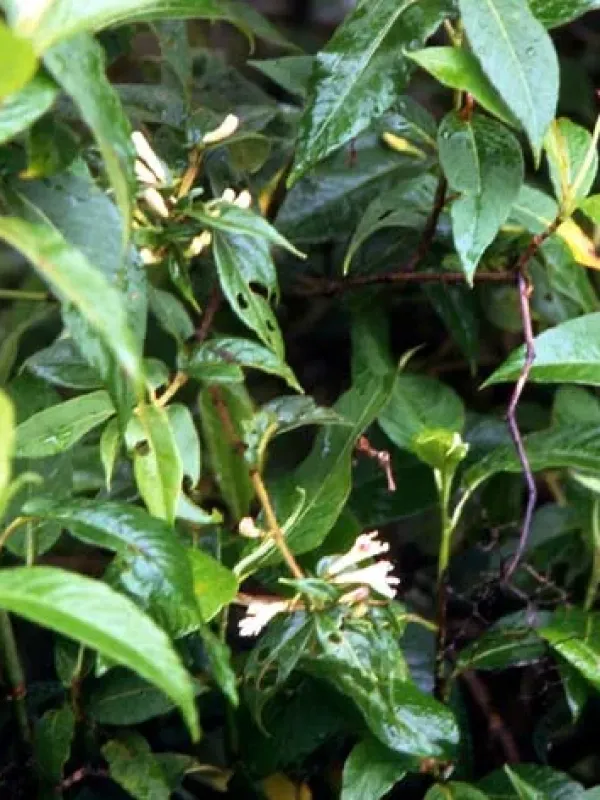
Obovate-leaved honeysuckle (Lonicera obovata) is a distinctive perennial deciduous shrub belonging to the Caprifoliaceae family. It is recognized for its neat growth habit and specific leaf morphology, which makes it an interesting specimen for collectors.
The plant originates from the mountainous regions of China, naturally occurring in rocky environments and forest margins. It exhibits excellent cold hardiness, making it suitable for temperate climate zones with moderate temperature fluctuations.
Successful cultivation requires well-drained, moderately fertile soil with a neutral to slightly acidic pH. While the plant is resilient, it performs best in positions with partial shade and protection from extreme, dehydrating winds.
Maintenance involves consistent moisture management, particularly during the first few years of establishment. Mulching around the root zone is highly recommended to regulate soil temperature and retain moisture in sandy or rocky garden beds.
In terms of usage, this species is primarily cultivated for ornamental purposes in botanical gardens and private landscaping. Its architectural shape and foliage texture provide excellent structural elements in garden design, especially in rock gardens.
Main diseases and pests
The most common pests affecting Lonicera obovata include aphids and leaf rollers, which can deform young foliage during the early spring growth phase.
Powdery mildew represents the most significant fungal threat, appearing as a white dusting on the leaves during periods of poor air circulation and high humidity.
Leaf spot infections may occur if the foliage remains wet for extended periods, necessitating careful irrigation practices that avoid wetting the leaves directly.
Regular sanitation, including the removal of dead or diseased wood, is essential to minimize the overwintering of pathogens near the plant base.
Integrated pest management strategies involving natural predators and periodic scouting are highly effective for keeping the shrub healthy throughout the growing season.