
Yellow gentian-leaved bellflower
Campanula thyrsoides
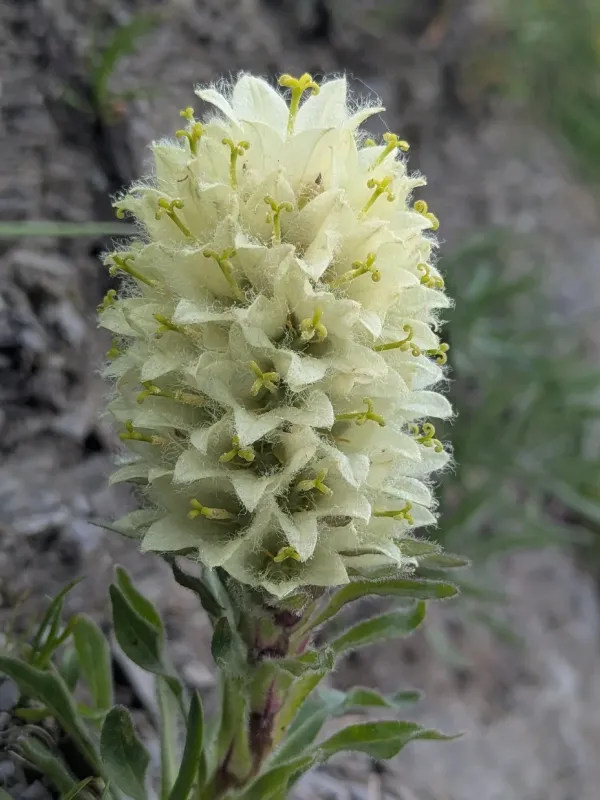
Description
Sowing dates
The yellow gentian-leaved bellflower is primarily a biennial species, which means its life cycle involves foliage development in the first year and flowering in the second. Seeds should be sown in early spring to allow for sufficient vegetative growth before the first winter.
Surface sowing is recommended as the tiny seeds require exposure to light to germinate effectively. A light, well-draining seed-starting mix is ideal for successful propagation in trays.
Cold stratification of the seeds for several weeks prior to sowing can significantly improve germination rates, mimicking the natural alpine conditions they are adapted to.
Seedlings should be thinned or transplanted carefully once they reach a height of a few centimeters. Avoiding root disturbance is essential to maintain plant vigor during the transition to the garden.
Providing consistent moisture during the initial establishment phase ensures that the plant develops a robust rosette before the season ends.
Growing requirements
As a member of the Campanulaceae family, this species thrives in environments that resemble its native alpine habitat. It requires full sun exposure to maintain its compact habit and to support its dense, thyrse-like inflorescence.
Soil requirements include excellent drainage and a neutral to slightly alkaline pH. Soils that are heavy in clay or tend to stay waterlogged will almost certainly cause root rot and plant failure.
The plant is highly frost-hardy, making it suitable for cooler climates. However, protection from excessive winter wetness is necessary, as frozen damp soil can kill the dormant crown of the plant.
Minimal fertilization is required for this species. Over-fertilizing, especially with nitrogen, can lead to weak, elongated stems that collapse under their own weight during the flowering stage.
Proper air circulation is critical for this species to prevent leaf fungal issues. Selecting an open site in the garden provides the best conditions for long-term health.
Main diseases and pests
Fungal diseases, including powdery mildew and various leaf spot pathogens, are the most significant threats to Campanula thyrsoides. These are often triggered by stagnant air and high humidity levels.
Root rot is a major risk factor if drainage is compromised or if the soil remains saturated for prolonged periods. Ensuring the crown of the plant remains dry is a key management strategy.
Slugs and snails are the primary pests that damage the young leaves of the plant. Their presence can severely hamper the growth of the rosette during the first year.
Occasional infestations of aphids can occur during the floral spike development. These can be managed through natural predators or targeted horticultural soaps if needed.
- Maintain spacing to ensure adequate airflow.
- Use coarse grit as mulch to prevent crown rot.
- Monitor for mollusk activity during rainy periods.