
Plagiorhegma dubium
Plagiorhegma dubium
Description
Sowing dates
The propagation of Plagiorhegma dubium is most effectively achieved through the division of rhizomes. This process should be carried out in late summer or early autumn when the plant enters dormancy, ensuring that the divisions establish themselves well in their new location before the ground freezes.
Seed propagation is also possible but requires patience, as the seeds have a complex dormancy mechanism. It is best to sow fresh seeds immediately after harvest in an outdoor nursery bed or containers, allowing them to undergo natural stratification through winter, which is essential for germination in the following spring.
When sowing seeds, it is important to mark the area clearly, as germination can be slow and sporadic, sometimes taking until the second spring. Avoid disturbing the soil surface during this period, as the developing seedlings may be easily damaged by weeding or accidental digging.
Young plants grown from seeds grow at a slow rate and typically require a period of 3 to 4 years to reach maturity and produce their first blooms. During these early years, maintaining moisture levels and protecting seedlings from competition from faster-growing weeds is critical for their survival.
When selecting a site for young plants, ensure that the soil is rich in organic matter, as this promotes healthy root development. Providing a stable environment helps the young plants adapt to the shade conditions that the species naturally requires for optimal growth.
Growing requirements
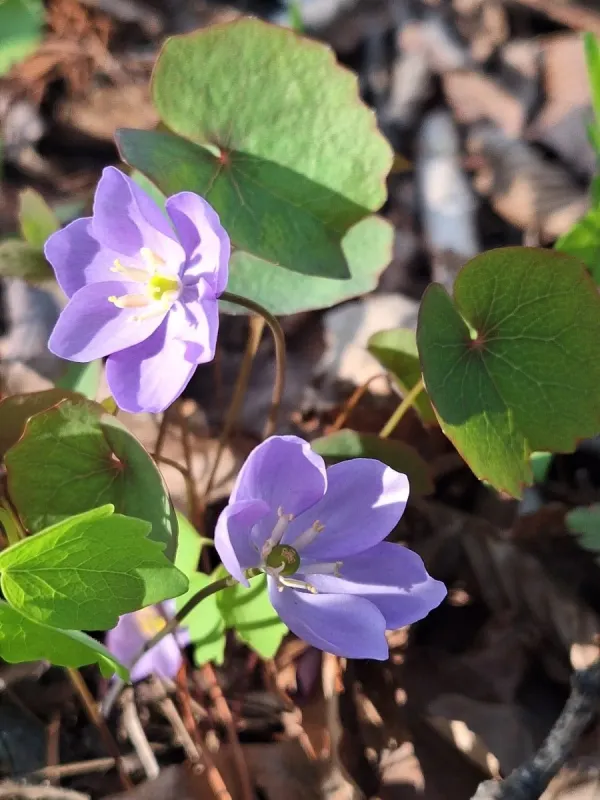
Plagiorhegma dubium belongs to the Berberidaceae family and is a prized herbaceous perennial known for its delicate blue-violet flowers. Its natural habitat includes the cool, moist forests of the Russian Far East, Korea, and China, where it grows as an understory plant.
The plant thrives in loose, humus-rich soil with a neutral to slightly acidic pH. A well-draining substrate is absolutely vital; while the plant loves moisture, it cannot tolerate waterlogged conditions, which often lead to rot in the delicate rhizome system.
Shade is the most critical environmental requirement for this species. In a garden setting, it should be placed in areas protected from direct sunlight, such as the north side of a building or beneath the canopy of deciduous trees, where it can enjoy filtered light throughout the day.
Regarding climate, the plant is exceptionally hardy and capable of withstanding the harsh winters of temperate zones. It initiates its growth cycle very early in the season, often pushing its foliage and buds through the soil as soon as the frost recedes from the ground.
Cultural care involves providing consistent moisture during the spring and early summer. Because it is a woodland dweller, applying a mulch of leaf mold or compost around the base of the plant helps to mimic its natural environment and maintain the soil moisture it craves.
Main diseases and pests
Plagiorhegma dubium is generally a robust plant with very few issues regarding pests and diseases. When provided with an appropriate environment—specifically good drainage and shade—it rarely experiences significant health problems in a standard garden setting.
Slugs and snails are the primary pests that may target the plant, particularly in the spring when the new, tender foliage emerges. Using organic molluscicides or setting up physical barriers is often sufficient to prevent damage and keep the plant looking pristine throughout the growing season.
Root rot is the most common disease-related threat, usually occurring due to excessive soil moisture or a lack of proper drainage. If the foliage begins to yellow prematurely or wilt despite adequate rainfall, it is a sign that the root system may be struggling with damp conditions.
To keep the plant healthy, avoid overcrowding it with other species that may compete for resources or prevent airflow. Regular inspection of the crown area during routine maintenance can help identify any potential issues before they escalate into larger problems.
Overall, maintaining healthy soil structure is the best preventative measure against most potential threats. By choosing the right location and respecting its woodland roots, gardeners can enjoy this beautiful plant for many years without the need for intensive chemical interventions.