
Impatiens falcifera
Impatiens falcifera
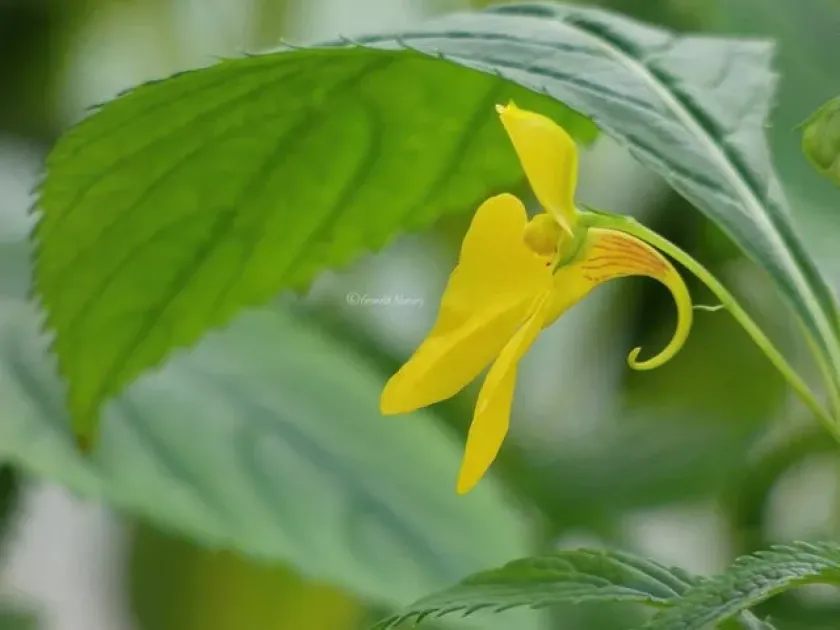
Description
Sowing dates
Impatiens falcifera is an interesting species belonging to the Balsaminaceae family. When cultivating this plant, seed propagation remains the primary method for gardeners and nursery professionals.
Sowing should begin in late winter, specifically throughout February and March, to allow sufficient time for the plants to establish a strong root system before the warm season.
Seeds require light for optimal germination, so they should be sown on the surface of the growing medium without covering them with a thick layer of soil.
Once the seedlings develop their first set of true leaves, they should be carefully pricked out into individual pots to avoid overcrowding and ensure steady development.
Transplanting into final containers or open ground should only take place after the last spring frost, as the plant is sensitive to cold temperatures and sudden drops.
Growing requirements
The plant thrives best in environments that provide filtered light or partial shade, which protects its delicate foliage from scorching direct sunlight.
Soil quality is paramount; it must be nutrient-rich, well-draining, and capable of retaining moisture without becoming waterlogged or heavy.
Maintaining consistent soil moisture is crucial, especially during the active growing phase. The grower must balance hydration to prevent both drought stress and root rot.
Regular fertilization with balanced nutrients, particularly those rich in potassium and phosphorus, supports continuous blooming and strong stem development throughout the cycle.
Good air circulation is essential for Impatiens falcifera to prevent heat build-up and reduce the humidity-related risks that often occur in enclosed or sheltered settings.
Main diseases and pests
Spider mites represent a significant threat to this culture, particularly in dry indoor environments where they can quickly proliferate on the undersides of the leaves.
Powdery mildew is a common fungal infection triggered by high humidity levels and poor airflow, often requiring immediate treatment with appropriate fungicides.
Aphids are frequent visitors that feed on the succulent tissues of new growth, often causing curling and stunted development if left unchecked by the grower.
Root rot caused by pathogens such as Pythium can occur if the drainage is poor or if the plant is overwatered repeatedly over a long period.
Integrated pest management and strict adherence to moisture control are the best strategies to maintain a healthy population of this ornamental plant species.