
Impatiens edgeworthii
Impatiens edgeworthii
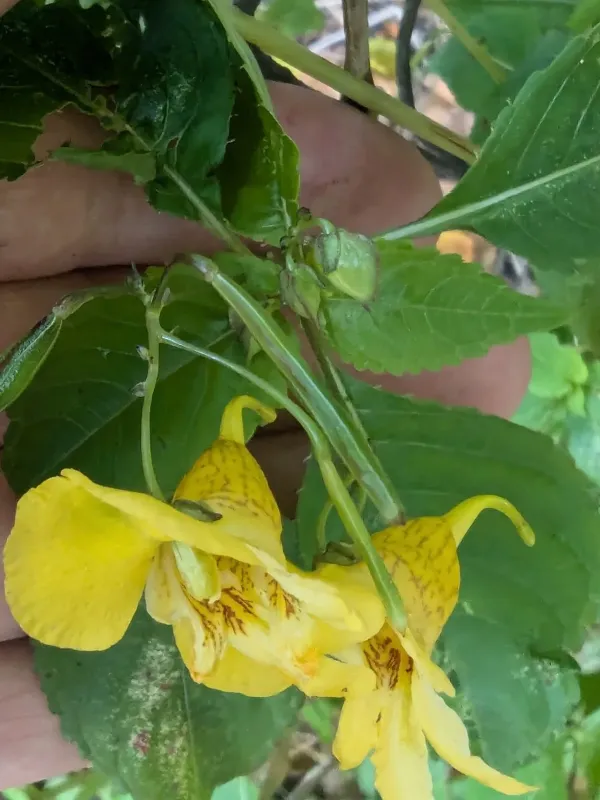
Description
Sowing dates
Sowing seeds of Impatiens edgeworthii, a member of the Balsaminaceae family, should be performed in early spring. The seeds require a well-draining, sterile, and nutrient-rich substrate to maximize germination rates and support early development.
Maintaining a temperature between 20–22 degrees Celsius is crucial for consistent sprouting. It is recommended to cover the seeds lightly with vermiculite or fine soil, ensuring they remain moist but not waterlogged during the critical germination phase.
Seedlings should be pricked out into individual containers once the first pair of true leaves has fully developed. This process encourages the growth of a robust fibrous root system, which is essential for the plant's future vigor in outdoor or greenhouse conditions.
Hardening off is a vital step before transplanting the plants to their permanent location. Gradually exposing the seedlings to outdoor conditions over a week helps them adjust to light intensity and temperature fluctuations without suffering from shock.
Transplanting should occur only after the danger of frost has passed. Selecting a site with partial shade is recommended, as this species thrives in filtered sunlight and can easily succumb to foliage scorch if exposed to direct afternoon sun.
Growing requirements
This crop performs best in fertile, loamy soils that possess excellent drainage properties. A soil pH ranging from slightly acidic to neutral is ideal for optimal nutrient uptake and overall plant health throughout the vegetative cycle.
While the plant is moisture-loving, it is highly sensitive to root asphyxiation caused by excessive water. Implementing a regular irrigation schedule that keeps the substrate moist but not saturated is key to preventing root rot and physiological disorders.
Regular fertilization with a balanced, water-soluble liquid fertilizer is recommended during the peak growing season. Phosphorus and potassium levels should be slightly elevated during the pre-flowering stage to encourage stronger stems and vibrant bloom production.
Temperature management is critical; the plants prefer a range of 18–25 degrees Celsius. In areas where temperatures regularly exceed these bounds, providing adequate ventilation or misting can help alleviate heat stress and prevent premature leaf drop.
Soil aeration is essential for healthy root development. Periodic shallow cultivation around the base of the plant helps break up crusting and improves gas exchange between the soil and the roots, which is particularly beneficial in heavier soil types.
Main diseases and pests
Spider mites are a major threat, particularly when humidity levels are low. They thrive in warm, dry environments and can quickly damage the foliage by piercing cells and extracting sap, leading to chlorosis and eventual necrosis of leaves.
Powdery mildew is a common fungal threat caused by high humidity combined with poor air circulation. It manifests as a white, dusty layer on the leaves, requiring prompt application of fungicides and thinning of the foliage to improve airflow.
Root rot is often the result of poor drainage or overwatering. Once established, this disease is difficult to treat; therefore, prevention through careful moisture management and the use of sterile growing media is the most effective strategy.
Aphids can infest young growth and buds, causing distortion and potentially spreading viruses between plants. Integrated pest management, including the use of insecticidal soaps or neem oil, is effective for controlling populations without harming the plant.
Sanitation is a cornerstone of plant health. Regularly removing fallen leaves and debris from the base of the plants, along with disinfecting tools after each use, significantly reduces the risk of disease transmission and insect infestations.