
Boat-shaped touch-me-not
Impatiens cymbifera
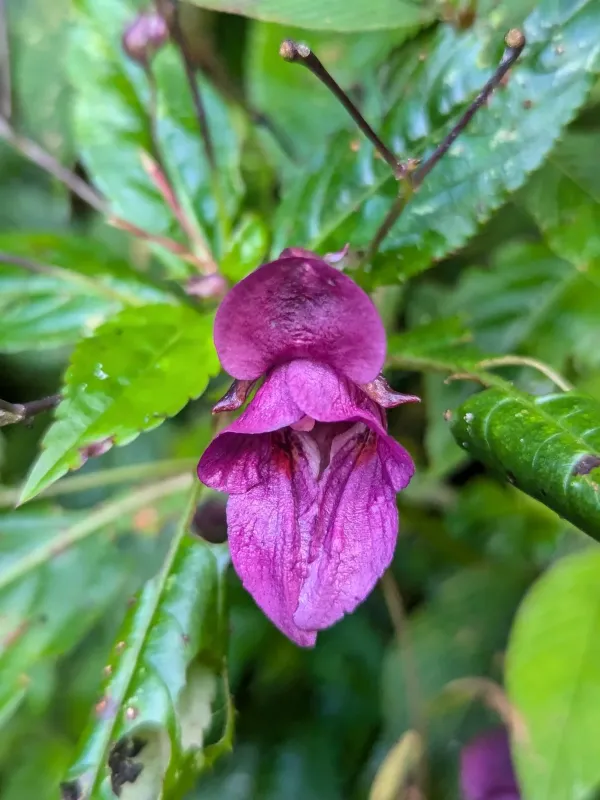
Description
Sowing dates
Sowing Impatiens cymbifera seeds is best performed in late winter to ensure strong seedlings are ready for the spring planting season.
The seeds require surface sowing as they are light-dependent for germination, so a light pressing into the soil is sufficient.
Maintaining a stable temperature between 20–22 degrees Celsius ensures uniform emergence of seedlings within a few weeks.
Once true leaves develop, seedlings must be pricked out into individual small pots to prevent overcrowding and promote root development.
Transplanting into final outdoor locations should only occur after all risks of frost have passed, ensuring the plants establish before heat.
Growing requirements
This species, belonging to the Balsaminaceae family, thrives in partial to full shade where it is protected from intense, direct sunlight.
Well-draining, humus-rich soil is essential to mimic the plant's natural environment and support its rapid growth cycle.
Consistent moisture levels are critical; the soil should never be allowed to dry out completely, nor should it become waterlogged.
Regular feeding with a balanced liquid fertilizer is recommended to support the continuous formation of flowers during the summer months.
Good air circulation around the plants is vital to prevent the accumulation of humidity that can lead to fungal issues.
Main diseases and pests
Spider mites are a primary concern, especially in dry and warm conditions, necessitating frequent checks of the foliage.
Powdery mildew represents a significant fungal threat, usually triggered by stagnant air or significant temperature fluctuations during the season.
Root rot often occurs if the soil drainage is poor, which can kill the plant quickly if not managed with proper irrigation practices.
Aphids can cause damage to the tender stems, requiring immediate intervention with insecticidal soap or biological control agents.
- Monitor leaf undersides for pests
- Ensure adequate spacing between plants
- Utilize high-quality organic mulch