
Impatiens chinensis
Impatiens chinensis
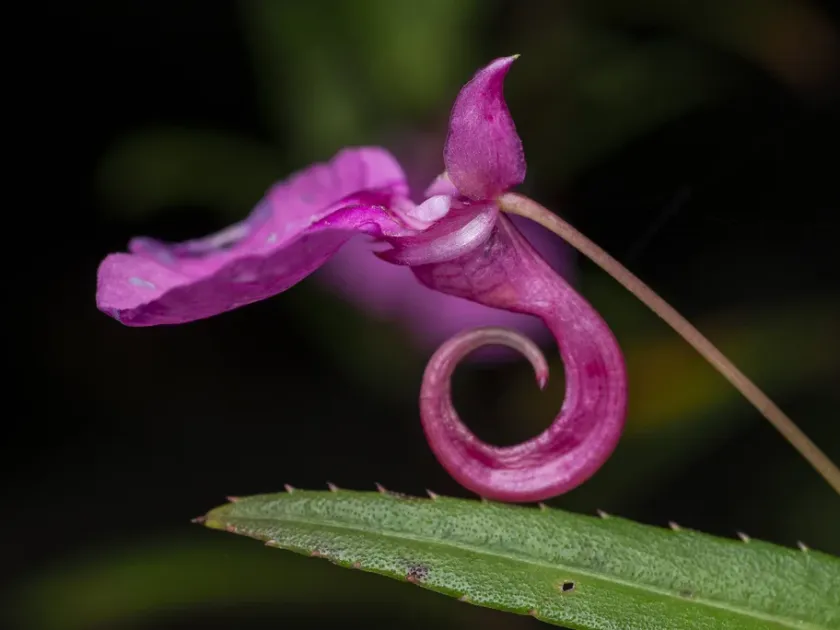
Description
Sowing dates
Sowing seeds of Impatiens chinensis is best accomplished indoors in late winter or early spring to ensure a long growing season. The seeds are small and require light for germination, so they should be sown on the surface of a fine, moist seed-starting mix without covering.
Maintaining a consistent environment is crucial for successful germination. A temperature range of 20–22 degrees Celsius and a high humidity level, achieved by covering the container with clear plastic, will stimulate the seeds to sprout within a few weeks.
Once the seedlings develop their first true leaves, they should be carefully pricked out and transplanted into individual cells or small pots. This practice encourages robust root growth and prevents the young plants from competing for space and nutrients.
Acclimatization of the seedlings before outdoor planting is a vital step. Gradually introducing the plants to external temperatures and light conditions over a two-week period helps prevent transplant shock and promotes better survival rates in the garden.
When planting into their permanent outdoor location, ensure a spacing of 20–25 centimeters between plants. This spacing provides enough airflow to reduce the risk of humidity-related diseases and allows each plant to reach its full decorative potential.
Growing requirements
Impatiens chinensis, a member of the Balsaminaceae family, is a herbaceous annual known for its distinctive flowers. It is native to various regions of Asia, where it thrives in the moist, shaded understory of forests and along rocky stream banks.
The plant requires well-draining, nutrient-rich soil that retains some moisture without becoming waterlogged. Adding organic matter, such as compost or peat, can significantly improve soil texture and fertility, supporting better growth and more prolific flowering.
Ideal light conditions for this species include dappled shade or protection from direct, intense sunlight. Too much heat and direct sun can scorch the leaves and cause the plant to wilt rapidly, so a spot protected by trees or structures is highly recommended.
Water management is key to maintaining a healthy Impatiens. The soil should be kept consistently moist but not saturated. Overwatering is a common mistake that can lead to root rot, so ensuring that the planting area has excellent drainage is essential.
The plant thrives in moderate temperatures between 18 and 25 degrees Celsius. It is highly sensitive to frost and cold winds; therefore, it is typically grown as an annual in most temperate regions, with the growing season ending as soon as temperatures drop.
Main diseases and pests
Spider mites are the most common pest associated with Impatiens chinensis, particularly during periods of low humidity. These small insects feed on leaf tissue, causing leaves to yellow, curl, and eventually drop off if not treated promptly with appropriate measures.
Powdery mildew is a prevalent fungal issue that manifests as a dusty white coating on the leaves and stems. It usually thrives in conditions with high humidity and poor air circulation, making it essential to provide enough space between plants for ventilation.
Root and stem rot can occur if the soil remains constantly soggy or if drainage is inadequate. These fungal pathogens quickly destroy the plant's vascular system, causing the entire plant to collapse and wilt even if the soil appears moist.
Effective management involves consistent monitoring and proactive care. If pests or diseases are detected, removing the affected plant parts and applying organic or synthetic fungicides can help contain the spread and protect the rest of the collection.
- Monitor for pest activity weekly.
- Maintain adequate spacing between plants.
- Ensure excellent drainage in all containers.
- Use appropriate fungicides if mildew appears.