
Impatiens bicolor
Impatiens bicolor
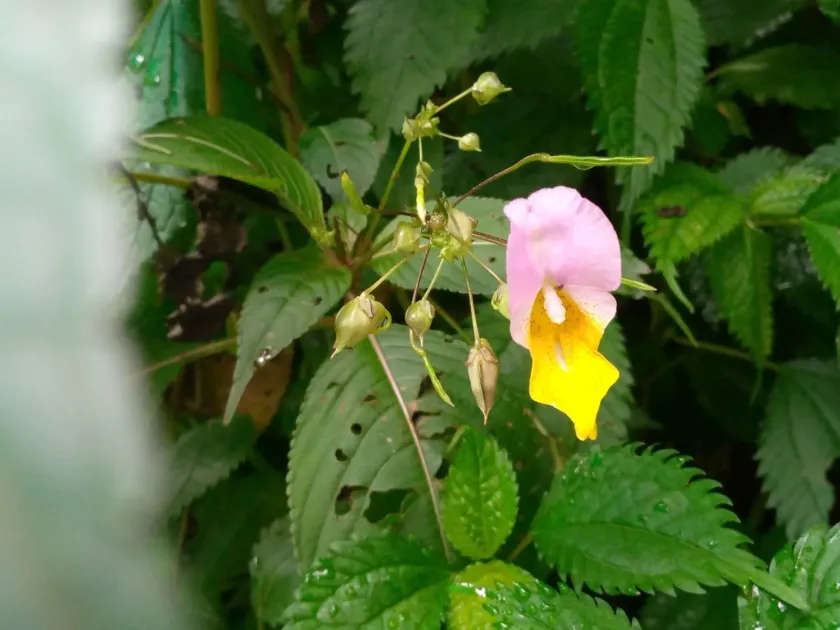
Description
Sowing dates
Impatiens bicolor is a distinctive plant species within the Balsaminaceae family, known for its unique floral patterns and its growth habit in shaded environments.
The propagation of this crop typically begins with indoor seed starting, requiring shallow sowing as the seeds need light for optimal germination rates.
Temperatures must be kept strictly between 20°C and 22°C, and a high humidity level is essential during the initial development phase of the seedlings.
Once the seedlings develop their first true leaves, they should be transplanted into larger containers to facilitate the development of a robust root system.
Hardening off the plants is a critical step before moving them into the outdoor garden environment, ensuring they can withstand shifting environmental conditions.
Growing requirements
This species thrives in partial shade or filtered sunlight, as intense, direct light can cause leaf scorching and impede the plant's overall growth potential.
The soil should be nutrient-rich and porous, allowing for excellent water drainage while retaining just enough moisture to prevent the root system from drying out.
Regular irrigation is necessary throughout the growing season, particularly during high-temperature spells, to maintain the turgor of the succulent stems.
Fertilization with a balanced, water-soluble fertilizer helps promote consistent flowering and maintains the vibrant coloration of the petals throughout the season.
Optimal spacing between individual plants is recommended to promote air circulation, which reduces the risk of fungal proliferation in dense plantings.
Main diseases and pests
Spider mites are the most common pest challenge for Impatiens bicolor, especially in environments with low air humidity where they can multiply rapidly.
Aphids can also congregate on the undersides of leaves, draining nutrients and potentially acting as vectors for various viral diseases that affect growth.
Fungal diseases like Botrytis (grey mold) can develop quickly if stagnant air persists around the plant, especially if foliage remains wet for extended periods.
Proper sanitation, including the removal of dead or decaying plant material, is essential to minimize the risk of pathogen buildup in the growing area.
- Implement integrated pest management (IPM) to control mite populations.
- Ensure adequate spacing to allow for improved air movement.
- Apply fungicides preventatively during periods of prolonged high humidity.