
Impatiens arguta
Impatiens arguta
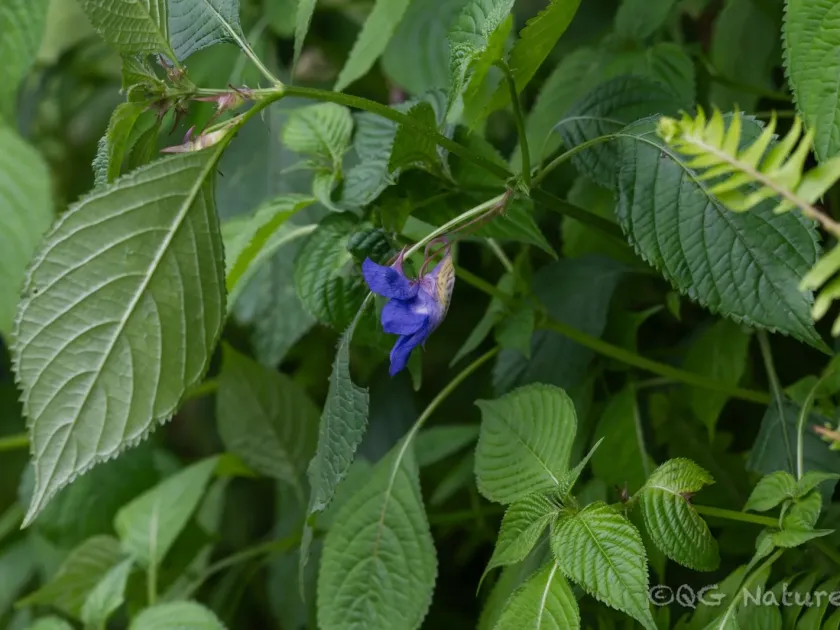
Description
Sowing dates
Sowing seeds of Impatiens arguta is ideally done in late winter to early spring to ensure the plants are well-established by the time the growing season begins. Seeds should be sown on the surface as they require light to germinate effectively.
Maintaining a constant temperature between +20 and +22 degrees Celsius is crucial for successful germination. Using a light, sterile seed-starting mix prevents damping-off, a common issue for young seedlings.
Once the first true leaves emerge, transplanting into individual pots helps develop a robust root system before the plants are moved to their permanent outdoor location.
Vegetative propagation via cuttings is also a highly effective method. Cuttings root quickly in water or moist perlite, allowing gardeners to multiply their stock while maintaining consistent plant quality.
Transitioning plants to outdoor containers or beds must only occur after the risk of frost has passed, as the foliage is highly sensitive to cold damage.
Growing requirements
Impatiens arguta thrives best in partial shade or areas with filtered sunlight. Exposure to harsh, direct sunlight will scorch the leaves and significantly reduce the overall health and ornamental value of the plant.
The ideal soil for this species is nutrient-rich, moisture-retentive, yet highly porous. Ensuring adequate drainage is essential to prevent root asphyxiation, which can occur rapidly in waterlogged conditions.
Consistent moisture management is the cornerstone of caring for this plant. The soil should be kept uniformly damp, though not saturated, to mirror its natural habitat and promote steady growth.
Regular fertilization with a balanced, water-soluble fertilizer encourages continuous blooming throughout the warmer months. High-phosphorus formulations are particularly beneficial during the peak flowering stage.
Environmental humidity plays a significant role in the plant's vigor. In dry climates, frequent light misting or placing the plants in groups can create a microclimate that prevents leaf desiccation.
Main diseases and pests
Spider mites are the most persistent pest for this culture, especially in low-humidity environments. Regular inspection and increasing the surrounding humidity are the best preventative measures.
Powdery mildew and gray mold (Botrytis) are the primary fungal threats, usually appearing when air circulation is poor or the plants are kept in overcrowded conditions.
Root rot is a common outcome of overwatering or using heavy, poorly draining soil. To mitigate this risk, always ensure that pots have adequate drainage holes and use a loose growing medium.
Aphids and whiteflies are frequently attracted to the soft, succulent growth of the plant. Systemic insecticides or neem oil treatments are recommended if pest populations exceed manageable thresholds.
Slugs and snails can consume young foliage rapidly, especially in damp, shaded garden beds. Protective barriers such as crushed eggshells or copper tape can deter these mollusks from reaching the plants.