
Impatiens angustifolia
Impatiens angustifolia
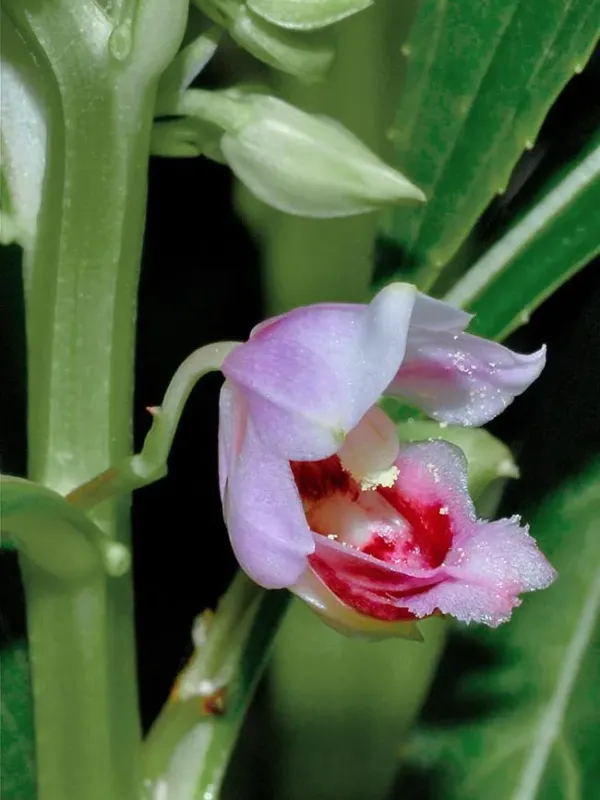
Description
Sowing dates
The propagation of Impatiens angustifolia is primarily performed via seeds sown in early spring. Sowing in late February ensures seedlings are sufficiently mature for planting after the frost risk has passed.
Seeds are surface-sown on moist, sterile substrate. Maintaining high humidity and a constant temperature of about 21 degrees Celsius is essential for optimal germination rates.
Seedlings should be moved to a well-lit area as soon as they emerge to prevent hypocotyl elongation. Proper light management at the initial stage is critical for strong plant architecture.
Transplanting (pricking out) into individual containers occurs at the two-leaf stage. This stage is crucial for developing a fibrous root system which supports future vegetative growth.
Hardening off the plants before permanent placement in the garden is recommended to reduce transplant shock and acclimate them to outdoor conditions.
Growing requirements
Belonging to the Balsaminaceae family, this plant thrives in loose, well-draining soils rich in organic matter. Avoid heavy, waterlogged clay soils to prevent root rot.
Partial shade is the ideal environmental condition for Impatiens angustifolia. High intensity direct sunlight can easily damage the delicate foliage and inhibit proper development.
Consistent moisture levels must be maintained throughout the growing season. While the plant loves water, soil drainage is vital to allow for oxygen exchange in the root zone.
The species prefers temperatures between 18 and 25 degrees Celsius. It is highly sensitive to frost, which can cause total plant death in a short period.
Regular fertilization with a balanced, water-soluble fertilizer promotes high-quality foliage and encourages extended flowering throughout the warm months.
Main diseases and pests
Spider mites are the most significant pest, particularly in greenhouses or areas with low humidity. They weaken the plant by feeding on cell sap, leading to chlorosis.
Gray mold, or Botrytis, is a common fungal threat under conditions of high humidity and poor ventilation. Proper air circulation is the best preventative measure.
Powdery mildew can infect leaves, appearing as a white, dusty layer. Utilizing systemic fungicides at the first sign of infection helps maintain plant vigor.
Aphids and whiteflies can cause severe damage by transmitting viruses or facilitating the growth of sooty mold on the sticky residue they leave behind.
Integrated pest management, including monitoring and biological controls, is highly recommended to maintain the long-term health of these ornamental crops.