
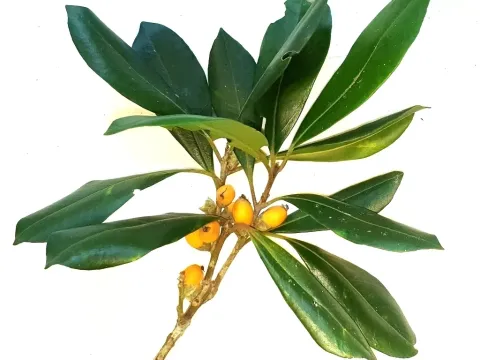
Balanops
Balanops
The genus Balanops consists of evergreen trees and shrubs belonging to the family Balanopaceae. These plants are primarily native to the islands of the South Pacific, with a notable concentration in New Caledonia and Fiji, where they inhabit humid tropical forests.
What the section contains

Balanops
In terms of ecological requirements, Balanops thrives in environments with high ambient humidity and consistently warm temperatures. They prefer well-drained, nutrient-rich soils and are generally sensitive to soil compaction or extreme drought, which can significantly hinder their growth.
Botanically, these plants are dioecious, meaning that staminate (male) and pistillate (female) flowers are borne on separate individual trees. This reproductive strategy requires both types of plants to be in close proximity to facilitate anemophilous pollination (pollination by wind).
The morphological features of Balanops include leathery, alternate leaves that help the plant manage transpiration in its natural tropical habitat. The root systems are often shallow, necessitating a stable environment and protected soil surfaces to prevent root damage.
Although Balanops is not classified as a standard agricultural crop, it holds significant interest for botanical gardens and specialized conservation programs. Cultivation is strictly limited to tropical greenhouse settings due to the plant's inability to survive in temperate or fluctuating climates.