
Mountain Holly
Nemopanthus mucronatus
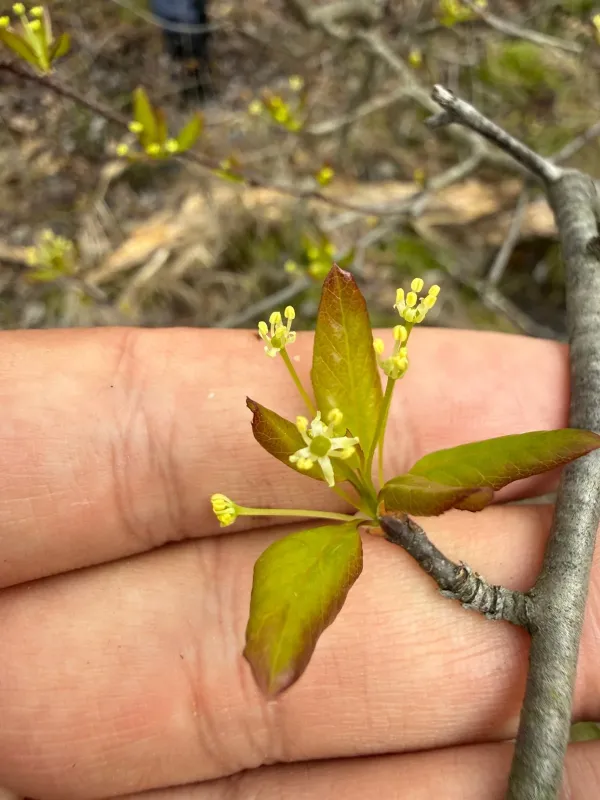
Description
Growing requirements
Mountain Holly (Nemopanthus mucronatus) is a deciduous shrub that belongs to the Holly family, Aquifoliaceae. It is native to the northeastern regions of North America, typically found in cool, moist, and acidic habitats.
For successful cultivation, this plant requires acidic soil rich in organic matter. It thrives best in partial shade, as exposure to intense midday sun can cause leaf scorch and dehydration, significantly impacting the plant's overall health.
The shrub is characterized by its slender branches and small, simple, alternate leaves. One of its most striking features is the production of bright red berries in late summer and autumn, which provide aesthetic interest and serve as a food source for local bird populations.
Regarding cultivation techniques, mulching is highly recommended to maintain soil moisture and keep the root zone cool. Mountain Holly is generally low-maintenance, requiring minimal pruning other than the removal of dead wood to encourage healthy branching.
In landscaping, this species is highly valued for naturalistic garden designs. It serves as an excellent choice for wetland edges or shaded perennial borders where a native, resilient shrub is needed to add year-round visual appeal.
Main diseases and pests
While relatively hardy, the plant can be susceptible to fungal leaf spots if kept in conditions with poor air circulation or excessive moisture on the foliage. Proper site selection is the primary defense against such pathogens.
Pest issues are generally minimal for this species. However, under drought stress, the shrub may become more vulnerable to secondary infestations by aphids or scales, necessitating diligent irrigation during dry spells.