
Holly-leaved Cassinopsis
Cassinopsis ilicifolia
Description
Growing requirements
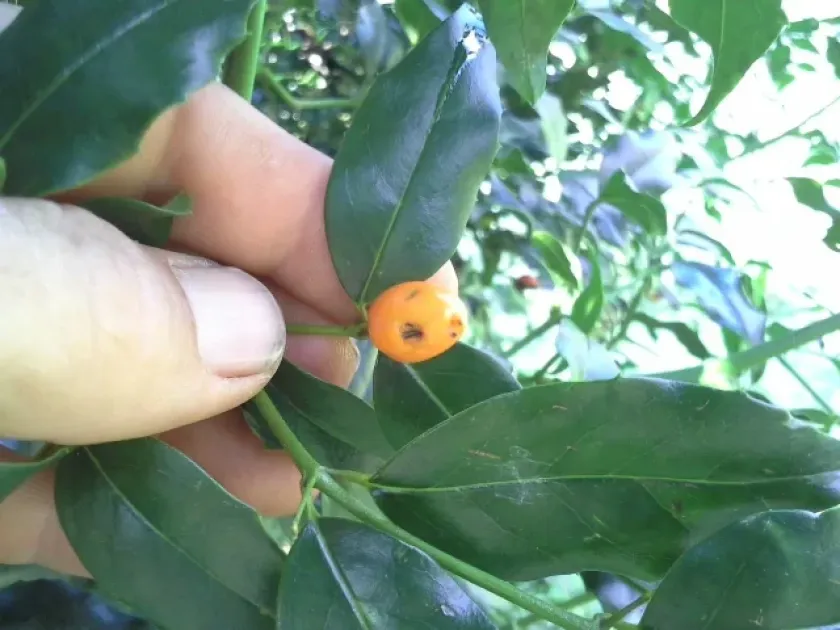
Holly-leaved Cassinopsis (Cassinopsis ilicifolia) is an evergreen shrub or small tree belonging to the Icacinaceae family. Native to South Africa, it is known for its dense, thorny structure and glossy, holly-like leaves, making it a distinctive ornamental plant.
Regarding soil requirements, this species thrives in well-drained, nutrient-rich soils with a slightly acidic to neutral pH. It is crucial to avoid heavy clay soils that retain excessive water, as this can lead to root system health issues.
The plant requires a temperate climate to perform well. While it can handle some dry periods, it is not frost-hardy and should be kept in protected environments if cultivated in regions prone to severe winters. It prefers partial shade but can adapt to full sun with sufficient watering.
Standard cultivation techniques involve routine pruning to manage its vigorous, thorny growth. This makes it highly functional in landscape design as a living fence or security hedge, which is both aesthetically pleasing and effective at preventing unauthorized access.
Fertilization is best performed during the spring season using balanced slow-release fertilizers. This ensures a steady supply of nutrients, which encourages the development of the lush, characteristic foliage for which the plant is highly valued.
Main diseases and pests
The most common physiological threat is root rot caused by poor soil drainage. Maintaining proper soil moisture levels and ensuring the planting site allows for efficient water evacuation is key to plant longevity.
Pest management should focus on common greenhouse and garden pests, such as aphids, whiteflies, and scale insects. Regular visual inspections are recommended to catch infestations early, allowing for the application of appropriate systemic insecticides.