
Aaronsohnia pubescens
Aaronsohnia pubescens
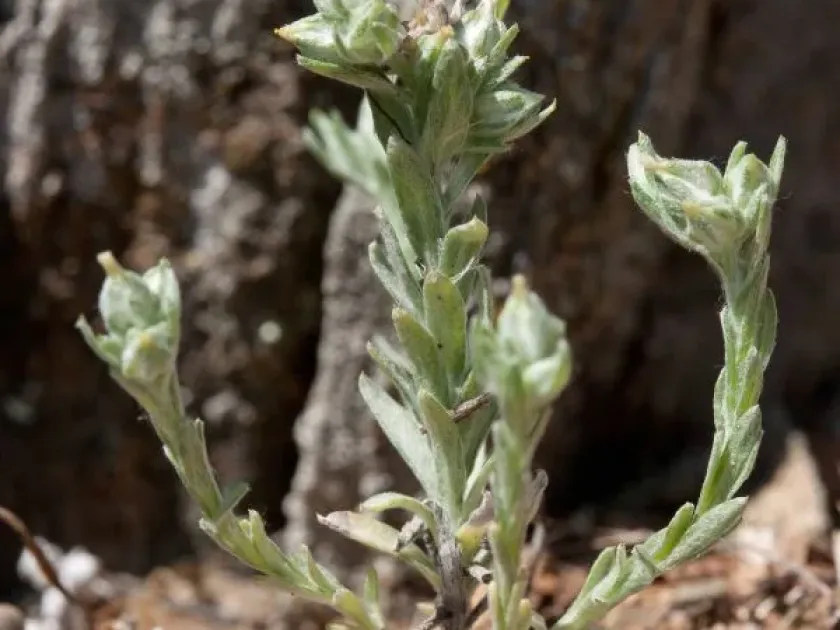
Description
Growing requirements
Aaronsohnia pubescens is an annual herbaceous plant belonging to the Asteraceae family. Native to the arid environments of North Africa and Western Asia, this species has evolved exceptional mechanisms to survive in harsh, water-scarce landscapes, making it a subject of interest for sustainable agriculture.
The plant is defined by its distinct pubescence, a fine layer of hair covering its foliage and stems. This physical adaptation minimizes water loss through transpiration and provides a reflective shield against intense UV radiation, which is essential for survival in its natural desert habitat.
Successful cultivation of this species requires well-drained, sandy or gravelly soil profiles. The root system is highly sensitive to hypoxia and waterlogging; therefore, maintaining an airy, loose soil structure is crucial for achieving healthy crop development and preventing sudden dieback.
In terms of climatic needs, Aaronsohnia pubescens thrives in high-temperature environments with full solar exposure. It lacks cold hardiness and should be cultivated during warm seasons or in specialized controlled-environment agriculture systems where temperature and humidity can be strictly regulated.
Economically, the plant is primarily evaluated for its potential in the essential oil and pharmaceutical sectors. Its secondary metabolites, often concentrated in the flowers and leaves, are studied for their bioactive properties, offering potential applications in organic skin care and traditional herbal medicine.
Main diseases and pests
The most significant threat to Aaronsohnia pubescens is fungal colonization caused by improper moisture management. Excessive irrigation or high relative humidity levels significantly increase the incidence of Fusarium and Rhizoctonia root rots, which are often fatal to the crop.
Insects such as aphids and spider mites represent common biological pressures. In high-density planting environments, these pests can quickly compromise plant vigor. Integrated Pest Management (IPM) protocols focusing on monitoring and natural predators are recommended to maintain yield standards.