
Simmler plum
Prunus x simmleri Palez.
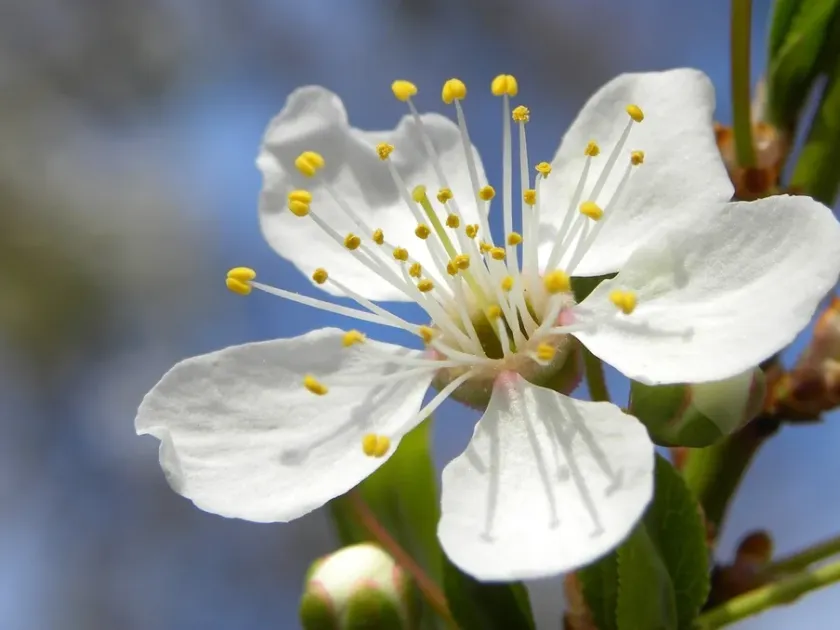
Description
Growing requirements
The Simmler plum (Prunus x simmleri Palez.) is a distinct fruit hybrid belonging to the Rosaceae family. As a member of the genus Prunus, this plant exhibits the complex genetic traits typical of stone fruit species resulting from historical cross-breeding within the genus.
Botanically, the tree displays moderate vigor with a canopy that requires careful management to ensure optimal light penetration. Its leaves are typically ovate or elliptical with serrated margins, serving as a primary identifier for nurseries and botanical research programs focused on this specific hybrid.
Regarding soil requirements, the culture thrives in fertile, well-drained loamy soils. It is highly sensitive to soil compaction and waterlogging; therefore, ensuring adequate drainage is essential for maintaining a healthy root system and promoting long-term tree vitality and development.
The climatic preferences include regions with a temperate climate where the plant can experience a necessary winter dormancy period. Sufficient solar radiation during the growing season is critical for the maturation of the fruit and the successful development of floral buds for the following season.
Cultivation practices should emphasize balanced nutrition. Regular applications of organic compost and NPK fertilizers, adjusted for the tree's growth stages, help maintain productivity. Furthermore, careful pruning to remove dead or diseased wood is vital for ensuring airflow and disease prevention.
Main diseases and pests
Common phytosanitary issues involve fungal diseases such as leaf spot and brown rot, which are prevalent in many Prunus species. Implementing a preventative spraying schedule and maintaining orchard hygiene by removing fallen debris significantly reduces the risk of infection.
Pest management focuses primarily on controlling aphids and plum fruit moths. Effective strategies include using physical barriers, biological controls, and chemical intervention when monitoring indicates that the population threshold has been exceeded, ensuring a sustainable harvest.