
Damson plum
Prunus x fruticans Weihe
Description
Growing requirements
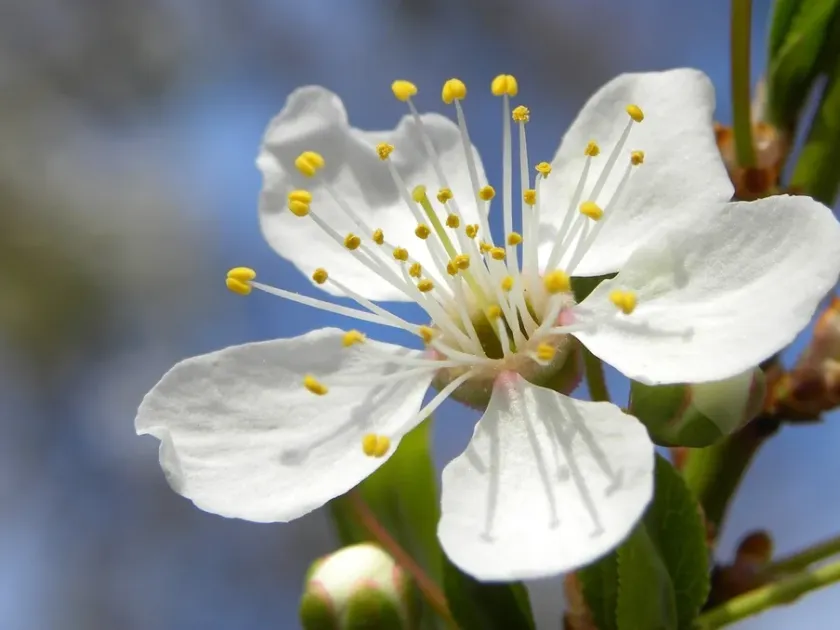
Damson plum (Prunus x fruticans) is a natural hybrid between the sloe and the domestic plum, belonging to the Rosaceae family. It is a hardy, deciduous shrub or small tree known for its exceptional resilience in diverse climatic zones.
The plant thrives in well-lit locations and prefers fertile, well-drained soils. It is notably tolerant of various soil types, including those that are heavier or slightly waterlogged, which makes it a versatile species for orchard establishment.
The tree exhibits high ecological plasticity and is known for its ability to withstand late spring frosts. This late-flowering habit significantly reduces the risk of crop loss compared to early-blooming varieties of cultivated plums.
Proper soil management involves regular weeding and the application of balanced fertilizers to support vigorous growth. Maintaining a clear space around the trunk helps minimize competition for nutrients and moisture with weeds.
Annual pruning is essential to maintain tree health and productivity. By removing dead or crossing branches, growers ensure better air circulation throughout the canopy, which is crucial for preventing fungal infections.
Yield
The crop yields are generally reliable and abundant. The fruit is highly valued for its intense, tart-sweet flavor, making it a preferred ingredient in culinary applications, especially for jams, jellies, and preserved products.
In addition to culinary uses, the high concentration of polyphenols and antioxidants makes the fruit a subject of interest for health-conscious consumers. The processing industry heavily utilizes damson plums due to their excellent pectin levels.
Main diseases and pests
Common diseases include shot-hole disease and brown rot, which can severely impact foliage and fruit. Regular monitoring and the application of protective fungicides during the blossom stage are recommended practices.
Pests such as plum fruit moth and aphids are the primary threats. Integrated pest management (IPM) strategies, including the use of pheromone traps and selective insecticides, help in maintaining orchard health without excessive chemical use.
Harvesting
Harvesting usually occurs in late summer or autumn, depending on local weather patterns. The fruit should be hand-picked when firm and fully colored to ensure the best flavor profile for cooking or processing purposes.