
Japanese plum
Prunus salicina x Prunus avium x Prunus persica
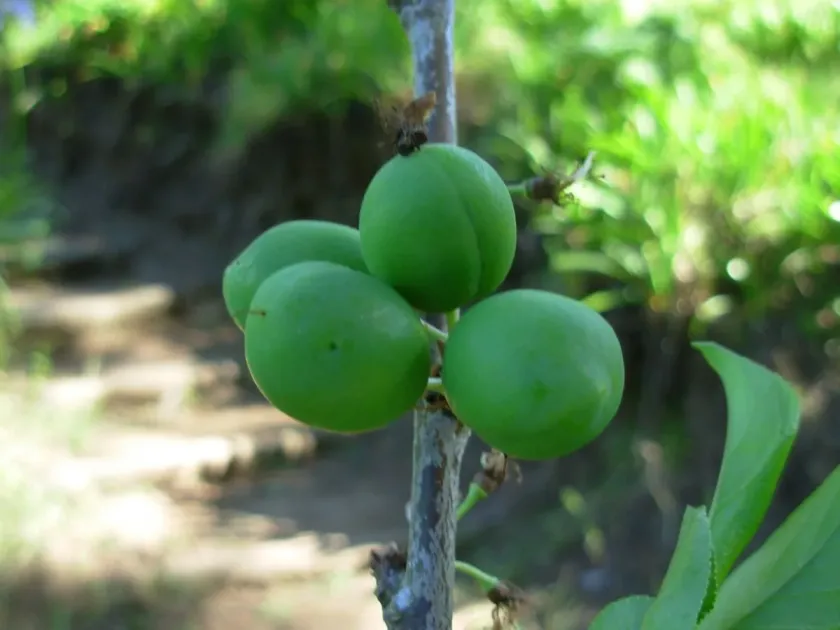
Description
Growing requirements
The Japanese plum (Prunus salicina) is a member of the Rosaceae family. This species is known for its vigorous growth habit and early flowering, which requires choosing a site protected from late spring frosts.
The trees thrive in well-drained, fertile, loamy soils. They do not tolerate "wet feet," so establishing proper soil drainage is essential for long-term tree health and preventing root rot diseases.
Full sun exposure is a critical requirement for optimal fruit production and overall tree vigor. While it originates from warmer regions, modern hybrid cultivars are bred for improved cold hardiness, allowing them to adapt to diverse climatic zones.
Cultural practices include consistent watering during dry spells, especially during the fruit-sizing stage. Annual pruning is necessary to maintain an open canopy structure, ensuring sunlight penetrates the center of the tree.
Beyond its landscape value, the Japanese plum is a highly versatile agricultural crop. Its fruits are widely used in commercial production for fresh sales, jams, preserves, and various culinary applications due to their balance of sweetness and acidity.
Yield
Pollination management is a key factor in achieving consistent yields, as many varieties require cross-pollination. Pruning and thinning the fruit clusters are recommended practices to ensure the remaining plums reach a high commercial size.
Main diseases and pests
Common diseases affecting this crop include bacterial spot, brown rot, and black knot. Sanitation practices, such as removing mummified fruits and pruning out infected branches, are vital for disease control.
Pest pressures often come from plum curculio, aphids, and spider mites. An integrated pest management program, focusing on monitoring and judicious use of pesticides, helps maintain tree health and fruit quality throughout the season.
Harvesting
Harvesting should be done when the fruit reaches the appropriate color and firm texture, depending on the intended use. Hand-picking is the standard method to prevent bruising and skin damage during collection.
Post-harvest care involves immediate cooling to prolong shelf life. Storing the fruit at low temperatures is crucial to maintaining flavor and texture, especially for fresh-market distribution in the retail sector.