
GF 677 hybrid rootstock
Prunus dulces x P. persica x P. mira
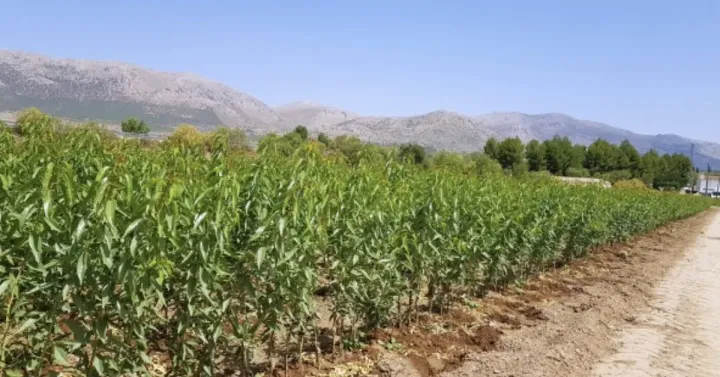
Description
Growing requirements
GF 677 is an interspecific hybrid of almond (Prunus dulcis) and peach (Prunus persica), belonging to the Rosaceae family. Developed in France, this rootstock has gained global recognition for its performance in commercial fruit production.
A key agronomic feature of this rootstock is its superior tolerance to calcareous soils. It effectively prevents iron-deficiency chlorosis, a common physiological disorder in peach trees planted in soils with high active limestone content.
The culture is highly drought-tolerant, exhibiting remarkable vigor even in hot climates. While it thrives in well-aerated soils, it possesses a deep and strong root system capable of penetrating dense substrates.
Optimal site selection includes well-drained locations with proper sun exposure. Although it adapts to various soil textures, avoiding waterlogged areas is essential to maintain root health and prevent oxygen deprivation.
Agronomic management should focus on providing balanced nutrition to support the vigorous growth induced by the rootstock, ensuring that the scion matures quickly and reaches full production potential.
Yield
The primary use of GF 677 is as a rootstock for peaches, nectarines, and certain almond varieties. It provides excellent graft compatibility and promotes strong vegetative growth in the scion.
Orchards utilizing this rootstock demonstrate consistent and high yield potential. The vigorous growth allows for large, high-quality fruits, which are essential for meeting fresh market standards.
By shortening the juvenile phase, GF 677 enables faster return on investment for commercial growers. Trees usually start producing significant crop volumes earlier than those on standard seedling rootstocks.
Managing the canopy size is crucial in intensive orchard systems, as the vigor provided by the rootstock requires regular pruning to balance vegetative growth and reproductive yield.
When used correctly, the rootstock ensures a uniform orchard stand, which simplifies harvesting operations and improves overall management efficiency across the growing season.
Main diseases and pests
While robust, GF 677 is susceptible to several pathogens affecting stone fruits. The most significant threat in nursery and orchard environments is crown gall (Agrobacterium tumefaciens).
Root-knot nematodes can impact the growth of young trees. Site preparation, including testing for nematode populations, is a standard protocol to ensure the longevity of the plantation.
Phytophthora root rot can develop under conditions of poor drainage or excessive soil moisture. Maintaining soil aeration through proper drainage systems is the most effective preventative measure.
Virus diseases can be transmitted through improper grafting techniques or contaminated scion wood. Sourcing certified virus-free budwood is mandatory for maintaining the health of the hybrid rootstock.
Integrated pest management (IPM) practices should be followed to control common insects and fungal threats, ensuring that the rootstock's vigorous growth potential is not compromised by disease pressure.