
White cherry
Prunus cerasia Blanche
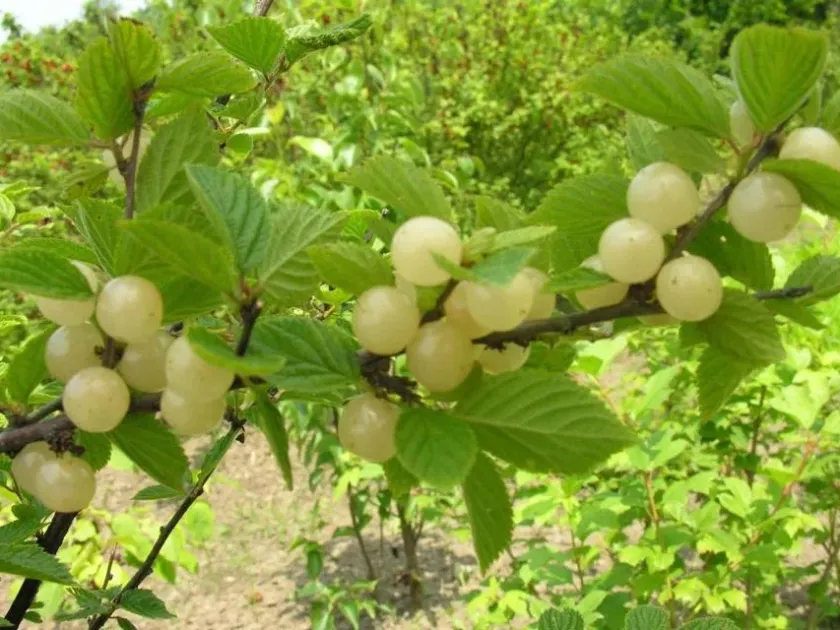
Description
Growing requirements
White cherry, belonging to the Rosaceae family, is a distinct horticultural crop known for its pale-colored fruit. The tree thrives in well-lit areas with protection from prevailing winds, as sufficient sunlight is crucial for sugar accumulation in the berries.
The ideal soil for this crop is a fertile, well-drained loam or sandy loam with a neutral pH. The tree is sensitive to waterlogging, so planting on gentle slopes or well-prepared raised beds is highly recommended to ensure proper drainage.
Climatic requirements involve a temperate climate with moderate rainfall. While the tree has reasonable cold hardiness, protecting the root zone with mulch during harsh winters is a standard practice for young trees.
Irrigation is essential during the active growing season, particularly during the fruit set and ripening stages. Consistent soil moisture levels help prevent physiological disorders such as fruit cracking, which can occur after heavy rains.
Maintenance includes regular pruning to ensure proper light penetration and air circulation within the canopy. This practice is vital for maintaining high productivity and overall tree health throughout its lifespan.
Main diseases and pests
Common diseases affecting white cherries include brown rot and cherry leaf spot. These fungal pathogens require timely monitoring and the application of fungicides during the early spring to protect blossoms and foliage.
The cherry fruit fly is a primary pest that can significantly reduce crop quality by infesting the fruit. Integrated pest management, including the use of pheromone traps and specialized sprays, is necessary for control.
Aphids can cause curling of young leaves and weaken the tree by sapping nutrients from soft shoots. Regular inspection and natural or chemical control measures are effective in managing aphid populations.
Bacterial canker is another threat that manifests as lesions on branches and trunks. Maintaining tree hygiene and avoiding mechanical damage to the bark are the best preventative measures against this disease.
Winterizing the garden by removing fallen leaves and pruning dead wood helps minimize the overwintering of pathogens. Whitewashing trunks protects the bark from sunscald and reduces insect shelter sites.
Harvesting
Harvesting should occur when the cherries reach their characteristic light color and optimal sweetness. Picking the fruit with stems attached is vital to keep the fruit intact and prevent rapid spoilage.
The best time to pick is during the cool morning hours after the dew has evaporated. This practice reduces the heat load on the harvested fruit, extending its shelf life significantly.
Manual harvesting is preferred for high-quality fruit, as it minimizes mechanical damage to the delicate skin. For larger commercial orchards, specialized shaking equipment may be used, though this requires careful handling.
Sorting and grading should be performed immediately after harvest to remove any damaged or overripe cherries. This helps maintain uniform quality and prevents the spread of rot within the storage containers.
Storage in cool, well-ventilated conditions is required if the fruit is not intended for immediate consumption. Keeping the temperature close to freezing levels ensures the freshness and marketability of the product.